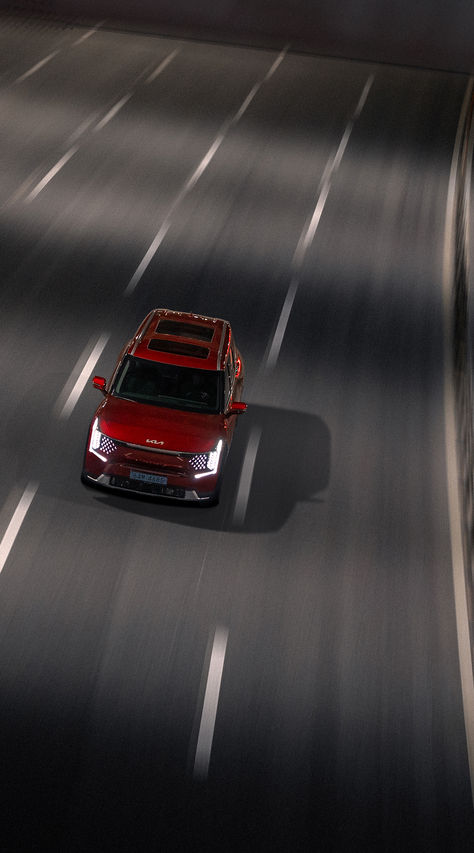
Kia spent most of the 1990s and early 2000s as a punchline in reliability conversations. Today it is earning awards its competitors have held for decades. The brand has transformed, and the data backs it up. If you are asking whether Kias are good cars, the honest answer is yes and in several measurable ways they outperform vehicles that cost significantly more.
This guide covers what actually matters when evaluating a Kia: reliability ratings, how long they last, what they cost to own and maintain, which models stand out, and how the warranty stacks up against the rest of the market.
Considering a Kia? Get a free Quick Quote and we will put together a deal breakdown before you set foot in a dealership.
Kia Reliability: Where the Brand Stands Today
Kia has ranked above average in reliability surveys from J.D. Power and Consumer Reports consistently over the past several years. That is a meaningful statement for a brand that spent decades ranked near the bottom of those same lists.
In J.D. Power's Initial Quality Study, which measures problems reported by owners in the first 90 days of ownership, Kia has regularly placed in the top half of all brands, ahead of many European and domestic competitors. Consumer Reports has also moved Kia into above-average territory for predicted reliability, which is based on owner-reported problems across years and models.
Repair costs tell the same story. According to RepairPal, Kia's average annual maintenance cost is below the industry average, making it less expensive to own long-term than many comparable brands. Routine services, oil changes, brakes, and tires are priced in line with other mainstream manufacturers.
Want real numbers on your next car?
Tell us what you're looking for and we'll source your options across 350+ dealer partners. It's free, and there's no obligation.
The Kia Warranty: One of the Best in the Business
If one thing separates Kia from the competition more than any single reliability rating, it is the warranty. Kia offers:
- 5-year/60,000-mile bumper-to-bumper warranty, which covers virtually all components except normal wear items like tires and brake pads.
- 10-year/100,000-mile powertrain warranty, which covers the engine, transmission, and drivetrain. This is one of the longest powertrain warranties offered by any mainstream brand.
- 5-year/unlimited-mile roadside assistance included with new vehicle purchase.
- 7-year/unlimited-mile anti-perforation corrosion warranty.
The powertrain warranty transfers with the vehicle but converts to a 5-year/60,000-mile coverage for subsequent owners. For the original buyer, it is a substantial safety net. Driving a Kia for eight years with 95,000 miles on it and experiencing a major engine issue is a covered repair on a Kia. On many competitors, that same repair comes entirely out of pocket.
How Long Do Kias Last?
With regular maintenance, most Kia owners can realistically expect 150,000 to 200,000 miles from their vehicle. That represents roughly 10 to 15 years for the average driver. Owners who are diligent about oil changes, timing belt replacements, and routine inspections frequently exceed that range.
Kia's electric vehicles, including the EV6 and EV9, may have an advantage in long-term durability. Electric motors have significantly fewer moving parts than internal combustion engines, which means fewer components that wear out over time. The primary long-term consideration for EV ownership is battery degradation, and Kia covers the high-voltage battery for 10 years or 100,000 miles on its electric models.
The models with the strongest long-term reputation include the Sportage, Sorento, and Forte. The Telluride is newer to the market but has drawn strong early reliability scores. The EV6 launched in 2022 and has built a favorable ownership track record in a short time.
Kia Safety Ratings and Standard Features
Modern Kias earn strong marks from both the Insurance Institute for Highway Safety (IIHS) and the National Highway Traffic Safety Administration (NHTSA). Several Kia models have received IIHS Top Safety Pick and Top Safety Pick+ designations, which require top scores in multiple crash test categories and headlight performance.
Across the lineup, Kia includes a robust standard safety suite that many competitors charge extra for:
- Forward Collision-Avoidance Assist with pedestrian and cyclist detection
- Lane Keeping Assist and Lane Departure Warning
- Driver Attention Warning, which monitors driving behavior for signs of fatigue
- Blind-Spot Collision Warning and Rear Cross-Traffic Alert
- Tire Pressure Monitoring System with active driver alerts
- Vehicle Stability Management for traction control in low-grip conditions
Upper trims and newer models add Highway Driving Assist, surround-view cameras, and Kia's Navigate on Autopilot feature on certain models. The breadth of standard safety technology at Kia's base trim pricing is one area where the brand genuinely overdelivers relative to its price point.
Kia Pricing vs the Competition
Kia is consistently priced below comparable vehicles from Toyota, Honda, and Hyundai while offering a similar or greater feature set at each trim level. A few practical comparisons:
- The Kia Sportage typically starts several thousand dollars below the Honda CR-V and Toyota RAV4 while offering comparable or more standard technology.
- The Kia Telluride starts below the Hyundai Palisade and significantly below the Toyota Highlander, despite matching or exceeding both in interior quality in many owner and media assessments.
- The Kia K5 sedan starts below the Toyota Camry and Honda Accord, with a sportier design and stronger standard feature list at base trim.
- The Kia EV6 is priced competitively with the Tesla Model 3 and Hyundai Ioniq 6, offering comparable range and arguably a more practical interior layout.
The value equation is most obvious at mid-level trims. Buyers who compare a mid-trim Kia to a mid-trim Honda or Toyota frequently find the Kia offers more standard features for the same money. Kia's pricing advantage does show up slightly in resale values, where Toyota and Honda tend to hold value better long-term. That tradeoff is worth understanding before you decide.
Kia Models Worth Knowing About
The lineup is broad, and different models suit different buyers. A brief orientation:
- Kia Telluride. Three-row family SUV. Multiple SUV of the Year awards. Strong interior quality, above-average reliability, and a loyal owner base. One of the best-reviewed vehicles in its class at any price.
- Kia Sportage. Compact crossover. Redesigned recently with a sharper interior, strong technology package, and available hybrid or plug-in hybrid. A competitive alternative to the RAV4 and CR-V.
- Kia Sorento. Mid-size SUV with available third-row seating. Bridge between the Sportage and Telluride for buyers who want more space than a compact but a lower price than the Telluride.
- Kia EV6. Electric crossover. World Car of the Year 2022. Fast charging capability, strong real-world range, and a driver-focused interior. One of the more fun-to-drive EVs on the market.
- Kia EV9. Three-row electric SUV. New for 2024. Early reviews are strong. Best suited for families who want a full-size EV with flexible seating.
- Kia K5. Midsize sedan. Sportier styling than its segment competitors, strong value at base trims. Less popular than the SUV lineup but worth considering for sedan buyers.
- Kia Forte. Compact sedan. Entry-level price point, strong fuel economy, and reliable track record. Good for buyers who need dependable transportation without a high sticker price.
Who Should Consider a Kia?
Kia makes sense for a wide range of buyers. It is particularly compelling if any of the following apply:
- You want a strong warranty and peace of mind without paying a luxury premium.
- You are comparing mid-size or compact SUVs and find Toyota and Honda pricing has moved beyond your budget.
- You want to lease a well-equipped vehicle at a lower monthly payment than a comparable Honda or Toyota.
- You are considering an EV and want a real-world alternative to Tesla with dealer network support.
- You want a three-row SUV and the Telluride fits your budget better than a Toyota Highlander or Ford Explorer.
How Vantage Helps You Get a Kia at the Right Price
Kia pricing varies significantly by trim, region, and time of year. Manufacturer incentives, loyalty rebates, and lease money factors change monthly. A base Kia Telluride negotiated well can cost less than a mid-trim model bought at sticker, even though the price sheet suggests otherwise.
Vantage sources deals across multiple dealers, shows you the full breakdown before you commit to anything, and assists in negotiating with our dealer network so you are not doing it in a showroom under pressure. Most clients never step into a dealership until the deal is finalized.
Get a free Quick Quote on any Kia model you are considering. We will come back with a full deal breakdown, not a vague estimate, within one business day.
Frequently Asked Questions
Are Kias reliable in 2026?
Yes. Kia has consistently ranked above average in reliability from J.D. Power and Consumer Reports over the past several years. The brand has significantly closed the gap with Toyota and Honda, and backs its vehicles with a 10-year/100,000-mile powertrain warranty that reflects confidence in its own engineering. Reliability varies by model and model year, so checking ratings for your specific vehicle of interest is worthwhile.
How long do Kias last?
With regular maintenance, most Kia owners reach 150,000 to 200,000 miles. Some exceed that. Driving habits, maintenance frequency, and climate all affect longevity. Electric Kia models like the EV6 and EV9 have fewer mechanical failure points due to the nature of electric drivetrains, and Kia covers the battery for 10 years or 100,000 miles on EV models.
Are Kias expensive to maintain?
No. Kia annual maintenance costs are consistently below the industry average according to RepairPal data. Routine service costs are competitive with other mainstream brands, and the 10-year/100,000-mile powertrain warranty means the most expensive potential repairs are covered for a long window of ownership.
What is Kia's warranty coverage?
New Kias include a 5-year/60,000-mile bumper-to-bumper warranty, a 10-year/100,000-mile powertrain warranty, and 5-year/unlimited-mile roadside assistance. The powertrain warranty is one of the longest offered by any mainstream brand. It transfers to subsequent owners at a reduced 5-year/60,000-mile coverage level.
What is the best Kia model to buy?
It depends on your needs. The Telluride is the best three-row family SUV in its class by most accounts. The Sportage is the strongest compact crossover in the lineup. The EV6 is the best EV option. The K5 is the best value sedan. The Forte is the most affordable. If you are unsure which fits your situation, Vantage can run numbers on a few options so you can compare the real cost of each before deciding.
How does Kia compare to Toyota in reliability?
Toyota still leads most long-term reliability studies, but Kia has closed the gap significantly. In some J.D. Power initial quality studies, Kia has ranked ahead of Toyota. For most buyers comparing a Kia to a Toyota in the same price range, the Kia will offer more standard features. Toyota tends to hold its resale value slightly better. Both are solid choices; the right pick depends on your priorities and how long you plan to keep the vehicle.
Are Kia electric vehicles reliable?
Early ownership data on the EV6 and EV9 is positive. Electric motors have fewer moving parts than combustion engines, which generally means fewer things to fail over time. Battery degradation is the main long-term consideration for any EV. Kia covers its EV batteries for 10 years or 100,000 miles. Real-world range on both models aligns closely with EPA estimates, which is not always the case with EVs at this price point.



.jpg)