
Two Electrified Powertrains, Very Different Use Cases
Walk into any dealership in NJ and you will find a wall of electrified vehicles. Hybrids, plug-in hybrids, mild hybrids, full EVs. The terminology matters because each type works differently and the right choice depends entirely on how you drive and where you park.
This post focuses on two of the most commonly confused: the standard hybrid (HEV) and the plug-in hybrid (PHEV).
Want real numbers on your next car?
Tell us what you're looking for and we'll source your options across 350+ dealer partners. There's no obligation.
How a Standard Hybrid Works
A hybrid electric vehicle uses a small battery that charges itself through regenerative braking and the gas engine. The electric motor assists the gas engine at low speeds and during acceleration, reducing fuel consumption. You never plug it in. The system manages itself.
The practical result is excellent fuel economy, typically 40 to 55 mpg for a midsize sedan or SUV, without any change in your routine. You fill it with gas like any other car. No charger needed, no range anxiety, no planning required.
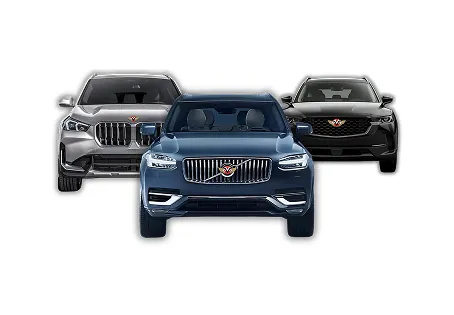
Good hybrid options for NJ drivers: Toyota Camry Hybrid, Honda CR-V Hybrid, Toyota RAV4 Hybrid, Hyundai Tucson Hybrid.
How a PHEV Works
A plug-in hybrid has a significantly larger battery that you charge by plugging into an outlet or Level 2 charger. On a full charge, most PHEVs can travel 20 to 50 miles on electricity alone. Once the battery depletes, the gas engine takes over and the vehicle operates like a regular hybrid.
The key benefit: if your daily commute falls within the electric range and you charge at home each night, you can go weeks or months without using any gas at all for daily driving. Long road trips remain fully supported by the gas engine, so range anxiety is not a factor.
Good PHEV options for NJ drivers: Toyota RAV4 Prime (42 miles electric range), Toyota Prius Prime (44 miles), Ford Escape PHEV (37 miles), Hyundai Tucson PHEV (33 miles).
Which Is Right for You?
Choose a PHEV if:
- You have a reliable place to plug in at home (Level 1 outlet is enough for a PHEV)
- Your daily round-trip commute is under 40 miles
- You want to reduce fuel costs significantly or run mostly on electricity
Choose a standard hybrid if:
- You do not have home charging access
- Your commute is unpredictable or very long
- You want great fuel economy with zero change to your routine
- You want a lower purchase price than a comparable PHEV
The Tax Credit Question
Most standard hybrids did not qualify for the federal clean vehicle credit because their batteries were too small. Some PHEVs qualified for a partial or full credit depending on battery size, assembly location, and buyer income. The federal commercial clean vehicle credit ended for vehicles acquired after September 30, 2025, so PHEV lease value now comes from manufacturer incentives and fuel savings.
NJ's Charge Up rebate does not cover new PHEVs; it is for eligible new battery-electric vehicles. Check the current eligible vehicle list before shopping. For a full breakdown of NJ and federal EV incentives, see our post on NJ EV incentives 2026.
What About a Full EV?
If you have home charging and your daily commute is your primary concern, a full BEV may give you even lower fuel costs than a PHEV. The trade-off is that a BEV requires a bit more planning for road trips. For NJ drivers who commute locally and do the occasional trip to the shore or mountains, a full EV with 250-plus miles of range usually handles it without issue. If you want to explore that option, browse current EV inventory here.
Full Disclosure
Vantage earns a broker fee, disclosed upfront. We help clients evaluate hybrids, PHEVs, and full EVs based on their actual situation, not based on what happens to be on a dealer's lot that week.
Ready to figure out which powertrain makes the most sense for your commute and budget? Get your free quote in 5 minutes. No spam. No pressure. Unsubscribe anytime.