What Is Contract Hire GAP Insurance -- and Do You Need It?
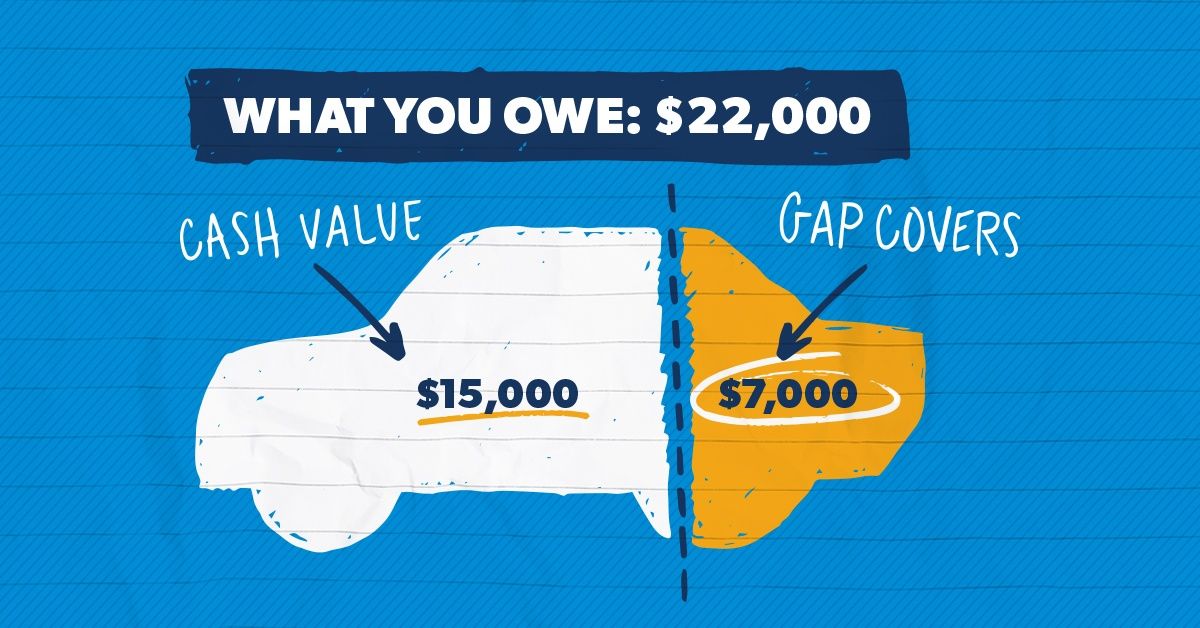
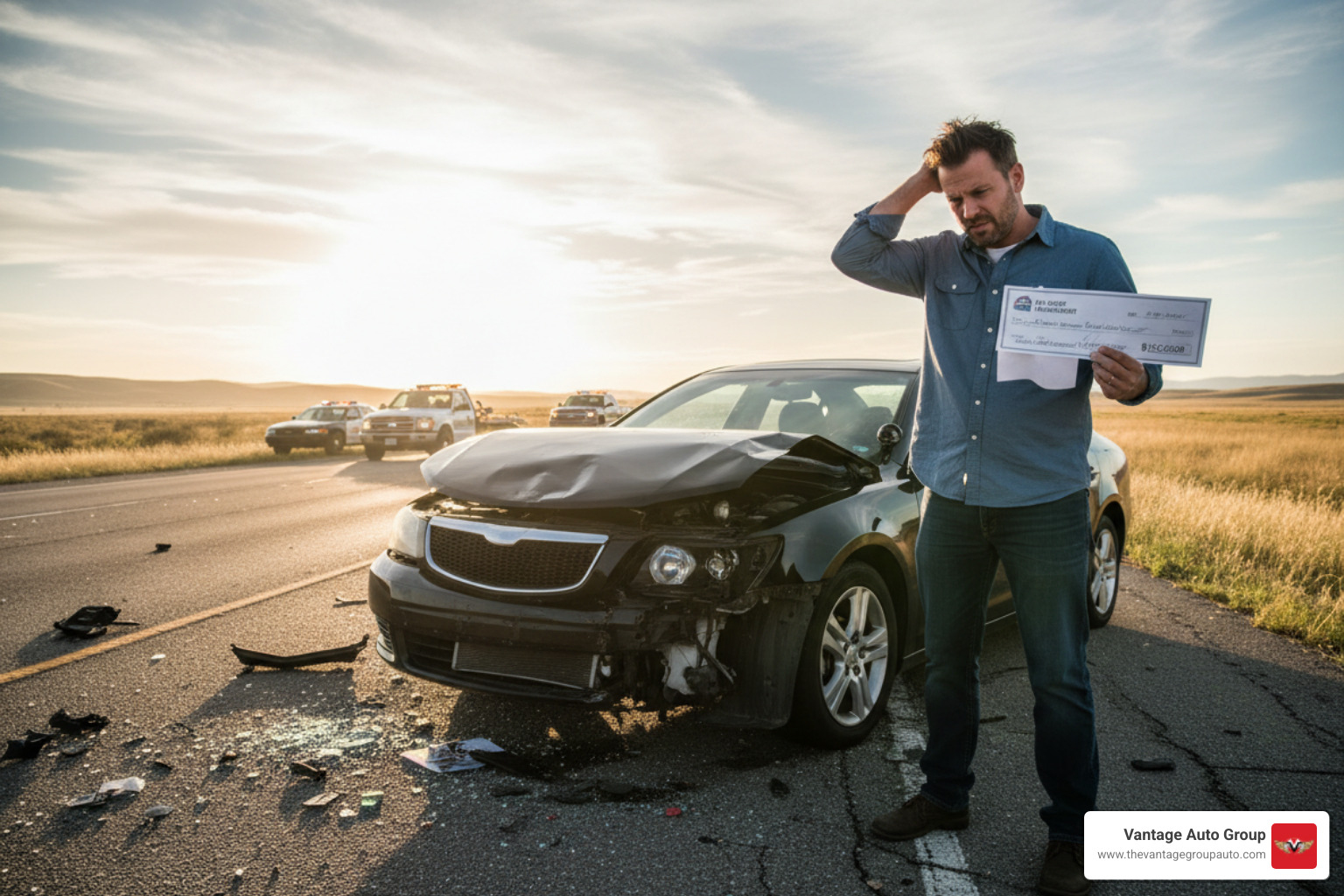
Contract hire GAP insurance is a financial protection policy that covers the difference between what your auto insurer pays out after a total loss and what you still owe on your lease agreement.
Here's the core problem it solves:
- Your car is stolen or written off
- Your insurer pays the current market value -- which is almost always less than what you owe on the lease
- You're personally on the hook for the shortfall
- GAP insurance pays that difference, so you walk away debt-free
Cars depreciate fast -- up to 60% in the first five years, according to Kelley Blue Book. If your vehicle is totaled or stolen during that window, the payout from your standard insurance policy almost certainly won't cover what you owe. That gap can run into thousands of dollars out of your own pocket.
I'm Sean Ulsaker, a partner at Vantage Auto Group with a background in finance and years of experience helping customers navigate the real costs of leasing -- including the kind of financial exposure that contract hire GAP insurance is designed to prevent. Let me walk you through everything you need to know before signing your next lease.
Want real numbers on your next car?
Tell us what you're looking for and we'll source your options across 350+ dealer partners. There's no obligation. Or see current New Jersey lease deals.
Understanding Contract Hire GAP Insurance
When you drive a shiny new lease off the lot in New Jersey or New York, the last thing you want to think about is a car accident. However, the reality of the road is that total loss events happen more often than most people realize. According to CCC Intelligent Solutions, over 1 million vehicles are declared total losses in the United States each year -- and the rate continues to climb as repair costs rise.
Standard auto insurance is designed to pay you the Actual Cash Value (ACV) of your car at the time of the incident. This sounds fair until you realize how quickly a vehicle loses its value. Because vehicles depreciate so rapidly -- often losing 20-30% of their value in the first year alone -- the market value of your car will almost always be lower than the amount required to settle your lease agreement.
This is where contract hire GAP insurance steps in. It acts as a financial bridge, or shortfall protection, ensuring that if your car is stolen or totaled, you aren't left writing a check for a car you can no longer drive.
How contract hire GAP insurance works with a lease
In a typical lease, also known as contract hire, you don't own the vehicle -- you are essentially renting it for a fixed period. If that vehicle is declared a total loss, the leasing company (the owner) will demand a settlement to close the account. This settlement figure includes the current value of the car plus a significant portion of the outstanding rentals you would have paid over the remainder of the term.
Standard insurance only covers the car's value. The gap is the difference between that insurance check and the leasing company's demand. By utilizing Total Loss Protection, you protect yourself from this financial disparity. The policy pays out the remaining balance directly to the finance company, clearing your contractual liability.
The difference between lease GAP and finance GAP
It is important to distinguish between the different types of GAP coverage.
- Finance GAP: Usually intended for those who have a hire purchase or loan agreement with an option to own the car. It covers the difference between the insurance payout and the remaining loan balance.
- Contract Hire GAP: Specifically tailored for leases where there is no option to buy the car at the end. It is designed to cover the specific termination fees and outstanding rental payments unique to lease contracts.
Because lease agreements are based on residual value (what the car is expected to be worth at the end of the lease), the negative equity during the first half of the contract can be massive. Contract hire GAP insurance is built to handle these specific lease structures.
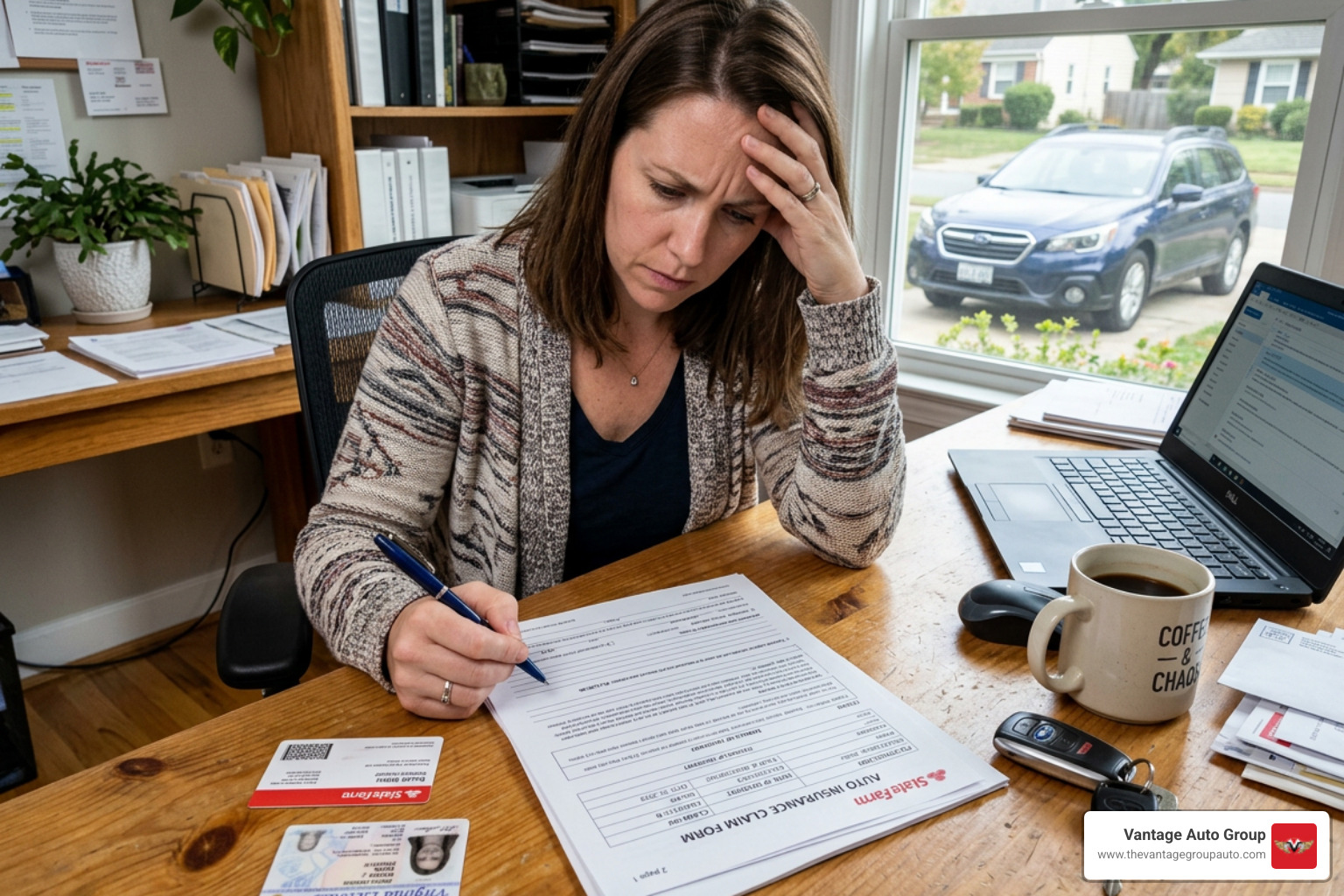
What Does Your Policy Actually Cover?
A robust contract hire GAP insurance policy does more than just settle the debt with the bank. It provides a comprehensive safety net that helps you get back on the road without a major financial setback.
Many high-quality policies include coverage for your insurance excess (the deductible you pay your primary insurer), often up to $500 or more. Furthermore, some policies offer initial rental or deposit protection. This is a game-changer because, in a standard total loss scenario, your initial down payment is usually gone forever. With deposit protection, you can recover up to $3,000 of that initial layout, giving you the funds needed to start a new lease.
To see how this fits into a broader safety net, you can explore our Vehicle Protection Plans, which offer various levels of security for your investment.
Coverage for electric and commercial vehicles
If you are leasing a Tesla or another high-end electric vehicle, GAP insurance is arguably even more critical. EVs often experience unique depreciation curves due to rapid advancements in battery technology. Contract hire GAP insurance covers these vehicles as standard, protecting you against the battery depreciation trap.
For business owners in New York or New Jersey running a fleet of commercial vans or delivery vehicles, a total loss can cripple business cashflow. Commercial GAP policies ensure that a stolen van doesn't result in a lingering debt that prevents you from replacing the asset and keeping your business moving.
Common exclusions and policy limitations
While GAP insurance is a powerhouse of protection, it isn't a get-out-of-jail-free card. There are specific scenarios where a policy will not pay out:
- Uninsured Drivers: If you don't have a fully comprehensive primary insurance policy, GAP cannot trigger. According to the Insurance Information Institute, roughly 14% of U.S. drivers are uninsured.
- Illegal Activity: Claims involving drunk driving or other criminal acts are universally excluded.
- Arrears and Late Fees: GAP insurance covers the contractual balance of the lease, but it will not pay for late fees, missed payments, or interest penalties you accrued before the accident.
- Key Theft: Some policies may not cover theft if the keys were left in the ignition or the vehicle was left unsecured.
Sean's Pro Tip
Most dealers charge $500 to $1,000 for GAP coverage as an add-on at the finance desk. At Vantage, we include Total Loss Protection on eligible leases. If you're shopping for GAP insurance separately, always compare prices from independent providers before accepting the dealer's quote. The markup is usually 2-3x what you'd pay on your own.
Evaluating the Cost and Value of Coverage
Is it worth the extra few dollars a month? Let's look at the numbers. According to the National Insurance Crime Bureau, over 1 million motor vehicle thefts were reported in the U.S. in 2023. When you combine that with the million-plus total loss declarations from accidents each year, the statistical risk is higher than many assume.
Here's how standard auto insurance compares to contract hire GAP insurance:
- Standard auto insurance pays based on market value (ACV). GAP insurance covers the shortfall to your lease payout.
- Standard insurance offers zero depreciation protection. GAP can cover the full depreciation gap.
- With standard insurance, you pay your deductible out of pocket. Many GAP policies reimburse your deductible.
- If you put money down, standard insurance doesn't recover it. Some GAP policies include deposit recovery.
With average negative equity on new cars reaching $3,000 to $6,000 in the first two years of ownership, a GAP policy that costs a few hundred dollars for the entire term is a straightforward investment. For most drivers in the Tri-State area, that's an out-of-pocket expense that could easily be avoided.
Is contract hire GAP insurance worth it for your vehicle?
If you are leasing a vehicle that depreciates quickly (which is most luxury sedans and SUVs), the answer is a resounding yes. Without it, you are taking a significant financial risk. If your car is totaled in the first year of a three-year lease, the gap could easily be $5,000 to $10,000.
How to Buy and Make a Claim
Buying contract hire GAP insurance is straightforward, but timing is everything. Most providers require you to purchase the policy within a specific window -- usually 180 to 365 days -- after taking delivery of your vehicle.
At Vantage Auto Group, we recommend looking into your options as soon as you sign your lease. While dealerships often offer GAP insurance, their prices are frequently much higher than independent brokers. We pride ourselves on transparency, and we want our New York and New Jersey clients to understand their options.
Step-by-step guide to making a claim
If the worst happens and your vehicle is declared a total loss, follow these steps:
- Contact your primary insurer: Get the total loss declaration and their initial valuation.
- Do NOT accept the settlement yet: Contact your GAP provider before signing anything from your primary insurer. They may be able to negotiate a higher market value payout, which reduces the gap and helps everyone.
- Gather Documentation: You will need your lease agreement, the settlement figure from the leasing company, and the payout letter from your insurance.
- Submit the Claim: Your GAP provider will calculate the shortfall and pay the leasing company directly.
Conclusion
Leasing a car should be an exciting experience, not a source of financial anxiety. By choosing contract hire GAP insurance, you're ensuring that a bad day on the road doesn't turn into a years-long financial burden.
At Vantage Auto Group, we serve drivers across New Jersey, New York, and Connecticut with a commitment to transparency and concierge-level service. We source competitive pricing on any make or model and help you understand your protection options from the moment of delivery.
Don't let depreciation leave you stranded. Protect your lease with GAP Insurance and drive with the peace of mind you deserve. Whether you're in Watchung, NJ or navigating the streets of Manhattan, we are here to ensure your leasing journey is smooth, transparent, and secure.
Sources: Edmunds - Car Depreciation | Kelley Blue Book - Depreciation | CCC Intelligent Solutions - Total Loss Data | Insurance Information Institute - Uninsured Motorists | NICB - Vehicle Theft Data | III - What Is GAP Insurance | NerdWallet - GAP Insurance Guide