Which Vehicles Give You the Biggest Section 179 Tax Break?
If you are a business owner shopping for a vehicle that qualifies for the Section 179 deduction, the single most important number is the gross vehicle weight rating (GVWR). Vehicles over 6,000 lbs GVWR qualify for significantly higher first-year deductions than lighter passenger cars.
Here is a comprehensive list of popular vehicles that meet the 6,000 lb threshold in 2026, organized by category, along with approximate GVWR and starting prices.
Full-Size Pickup Trucks
Pickup trucks are the most straightforward Section 179 qualifiers. Nearly every full-size truck exceeds 6,000 lbs GVWR in every configuration.
- Ford F-150: GVWR 6,010-7,050 lbs (varies by config), starting around $36,000
- Chevrolet Silverado 1500: GVWR 6,400-7,200 lbs, starting around $37,000
- RAM 1500: GVWR 6,010-7,100 lbs, starting around $38,000
- Toyota Tundra: GVWR 6,410-7,440 lbs, starting around $40,000
- GMC Sierra 1500: GVWR 6,400-7,200 lbs, starting around $39,000
- Nissan Titan: GVWR 7,300+ lbs, starting around $42,000
Heavy-duty trucks (F-250, Silverado 2500, RAM 2500) all exceed 6,000 lbs by a wide margin and qualify easily.
Full-Size SUVs
Full-size SUVs are popular with business owners who need passenger capacity and a professional appearance.
- Chevrolet Tahoe: GVWR 7,100-7,400 lbs, starting around $58,000
- Chevrolet Suburban: GVWR 7,500-7,800 lbs, starting around $60,000
- GMC Yukon / Yukon XL: GVWR 7,100-7,800 lbs, starting around $60,000
- Ford Expedition: GVWR 7,300-7,700 lbs, starting around $57,000
- Toyota Sequoia: GVWR 7,100+ lbs, starting around $62,000
- Toyota Land Cruiser: GVWR 6,800+ lbs, starting around $58,000
- Jeep Wagoneer / Grand Wagoneer: GVWR 7,200-7,600 lbs, starting around $60,000
- Lincoln Navigator: GVWR 7,300-7,600 lbs, starting around $80,000
- Cadillac Escalade: GVWR 7,400-7,600 lbs, starting around $82,000
Midsize and Luxury SUVs (Over 6,000 lbs)
Several midsize luxury SUVs cross the 6,000 lb threshold, though you need to verify the specific trim and options package.
- BMW X5 (xDrive40i and above): GVWR 6,063-6,283 lbs, starting around $63,000
- BMW X7: GVWR 6,493-6,768 lbs, starting around $78,000
- Mercedes-Benz GLE (certain trims): GVWR 6,039-6,283 lbs, starting around $60,000
- Mercedes-Benz GLS: GVWR 6,724-6,945 lbs, starting around $80,000
- Audi Q7: GVWR 6,393-6,614 lbs, starting around $60,000
- Audi Q8: GVWR 6,064-6,283 lbs, starting around $72,000
- Porsche Cayenne: GVWR 6,008-6,261 lbs, starting around $76,000
- Jeep Grand Cherokee L: GVWR 6,200+ lbs, starting around $42,000
- Land Rover Defender: GVWR 6,614-7,165 lbs, starting around $56,000
- Volvo XC90: GVWR 6,008+ lbs (certain trims), starting around $58,000
Important: vehicles like the BMW X5 and Mercedes GLE are close to the 6,000 lb line. Certain trim levels and option packages push them over, while others fall just under. Always confirm the GVWR on the specific vehicle you are purchasing.
Electric Vehicles Over 6,000 lbs
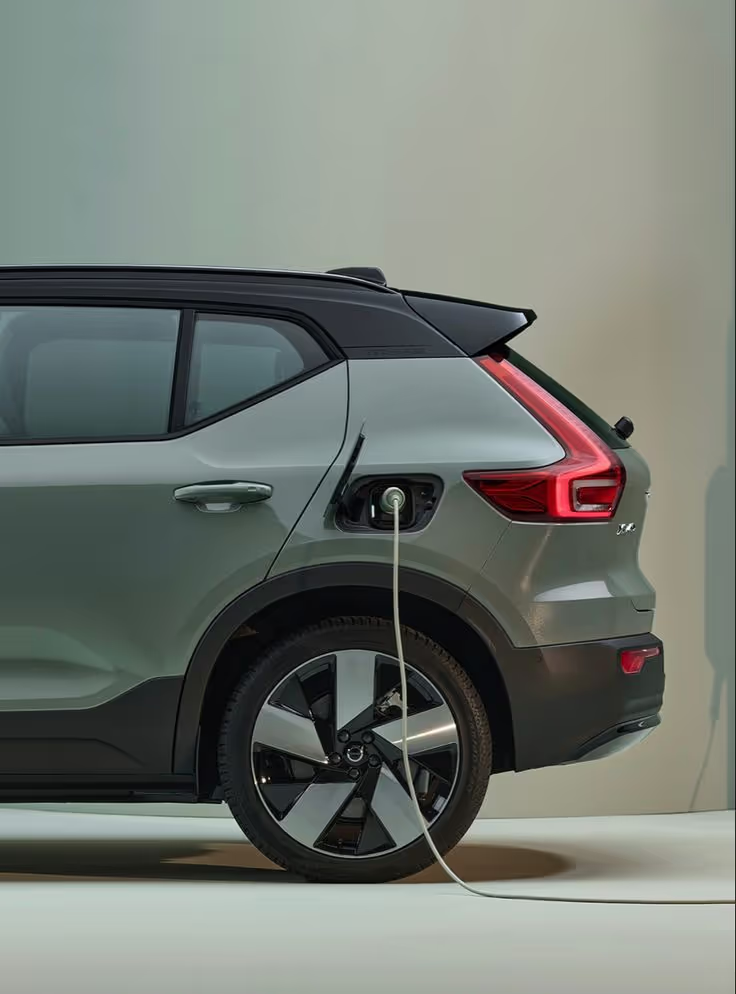
Several EVs now qualify for both the Section 179 deduction and the federal EV tax credit, making them potentially the most tax-efficient business vehicles available.
- Tesla Model X: GVWR 6,250+ lbs, starting around $80,000
- Rivian R1S: GVWR 7,700+ lbs, starting around $76,000
- BMW iX: GVWR 6,173-6,613 lbs, starting around $85,000
- Ford F-150 Lightning: GVWR 6,500-8,250 lbs, starting around $55,000
- Chevrolet Silverado EV: GVWR 8,000+ lbs, starting around $57,000
- GMC Hummer EV SUV: GVWR 9,500+ lbs, starting around $85,000
Vehicles That Do NOT Qualify (Under 6,000 lbs)
These popular business vehicles fall under the 6,000 lb threshold and are subject to the lower passenger car depreciation caps:
- Tesla Model 3 and Model Y (most configurations)
- Toyota RAV4, Honda CR-V, Mazda CX-5
- BMW X3, Mercedes GLC, Audi Q5
- Most sedans and coupes regardless of brand
- Compact and midsize crossovers
These vehicles still qualify for Section 179, but the first-year deduction is capped at approximately $20,400 rather than the $30,500+ available for heavier vehicles.
How to Get the Best Price on a Section 179 Vehicle
The tax deduction is only as good as the deal you get on the vehicle itself. A $10,000 overpayment on a $70,000 SUV reduces the benefit of your deduction significantly.
- Get quotes from multiple dealers before committing
- Negotiate the selling price, not the monthly payment
- Consider certified pre-owned vehicles (they qualify for Section 179 too)
- Time your purchase for end of quarter or model year for the best incentives
- Work with a broker who negotiates at dealer cost and knows which vehicles qualify
What Vantage Does Differently
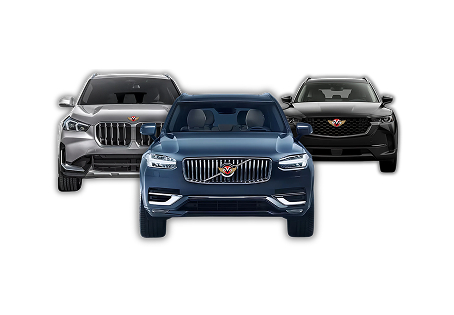
We specialize in finding Section 179 qualifying vehicles for NJ business owners. We verify GVWR on every vehicle, negotiate below-invoice pricing, and ensure the vehicle is delivered before your tax-year deadline. Our vehicle search can help you compare qualifying options side by side.
Our broker fee is transparent. We do not mark up the vehicle price or add hidden fees.
Get your free quote in under 5 minutes and mention Section 179. We will identify qualifying vehicles that fit your budget and get you the best price. No spam. No pressure. Unsubscribe anytime.




.avif)