
The State of Lease Payments in 2026
If your last lease ended recently and you are shopping for a new one, you have probably noticed: the monthly payment on a similar car is higher than it was three years ago. In some cases, significantly higher.
You are not imagining it. The average monthly lease payment in the U.S. has climbed steadily since 2020, driven by a combination of higher vehicle prices, rising interest rates, and shifting residual values. But the story is more nuanced than "everything is more expensive now." Some brands and models actually offer better lease deals in 2026 than they did a year ago.
Here is what is actually happening and how to find value in today's market.
Want real numbers on your next car?
Tell us what you're looking for and we'll source your options across 350+ dealer partners. There's no obligation. Or see current New Jersey lease deals.
Why Lease Payments Are Higher Than They Used to Be
Vehicle Prices Have Not Come Back Down
During the chip shortage of 2021-2023, new-car inventory dropped to historic lows. Dealers charged MSRP or above on nearly everything. Manufacturers raised base prices across their lineups, and most of those increases have stuck.
The average transaction price for a new vehicle in the U.S. is hovering around $48,000-$50,000 in early 2026. For context, it was around $38,000 in 2019. That $10,000+ increase in average selling price translates directly into higher monthly lease payments, roughly $280/month more in depreciation alone on a 36-month lease.
Interest Rates Are Still Elevated
The Federal Reserve raised rates aggressively in 2022-2023, and while there have been some reductions since then, the money factor on most leases remains higher than the near-zero levels of 2020-2021. A higher money factor adds $20-60/month depending on the vehicle price and the markup the dealer applies.
Residual Values Are Adjusting
During the used-car price spike, residual values were artificially high because used cars were selling for more than expected. As the used-car market has normalized, leasing companies have adjusted residuals downward on many models. Lower residual values mean you are financing more depreciation, which increases your payment.
Not all models are affected equally. Vehicles with strong resale reputations (like Toyota, Honda, and certain luxury brands) have maintained relatively healthy residuals.
What Could Push Payments Higher in 2026
Tariff Uncertainty
Trade policy changes could impact vehicle pricing, particularly for imported models and those with significant foreign-sourced components. If tariffs increase on vehicles or parts from specific countries, the MSRP of affected models would likely rise, and that increase flows directly into lease payments.
Domestically produced vehicles from manufacturers with U.S.-based supply chains would be less affected, creating potential pricing advantages for certain brands.
Insurance Costs
While not part of the lease payment itself, rising insurance premiums affect the total cost of leasing. Insurance costs have jumped 20-30% in many markets since 2022, and those increases make the overall monthly commitment of leasing feel even higher. It is worth comparing NJ auto insurance quotes alongside the lease itself.
Where the Deals Are in 2026
Despite the overall trend of higher payments, opportunities exist if you know where to look:
Brands With Excess Inventory
Manufacturers sitting on unsold inventory have the most motivation to offer aggressive lease incentives. In 2026, several brands have ramped up production while demand has cooled in certain segments. These brands often subsidize the money factor (offering a rate below market) or boost the residual value to create an attractive lease payment.
End-of-Model-Year Transitions
When a new model year is incoming, dealers need to clear the outgoing inventory. Lease programs on outgoing models often include bonus cash, lower money factors, or inflated residual values. August through October is typically the strongest window for these deals.
EV and Hybrid Incentives
The federal EV tax credit ended for vehicles acquired after September 30, 2025. What still lowers an EV lease payment is manufacturer lease cash applied as a capitalized cost reduction. Some manufacturers put heavy lease cash on EVs, which can reduce payments by $200 or more per month, so compare lease cash across brands. This is one of the strongest value propositions in the current lease market.
Vehicles That Lease Well in Any Market
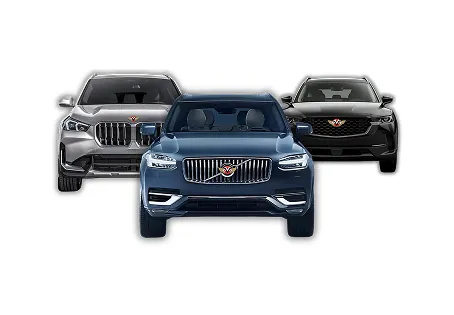
Some vehicles consistently offer strong lease deals because of high residual values, manufacturer support, or both. Compact SUVs, midsize sedans from Japanese brands, and certain luxury models with aggressive lease programs tend to deliver the best monthly payment relative to MSRP. Check what a good lease payment looks like for benchmarks by vehicle class.
How to Get the Best Lease Payment Right Now
- Shop multiple dealers and negotiate the selling price before discussing lease terms
- Ask for the buy rate money factor and refuse dealer markup
- Consider models with manufacturer-subsidized lease programs
- Look at outgoing model-year inventory for bonus incentives
- Explore EV and hybrid options with current manufacturer incentives
- Work with a broker who monitors incentive programs across brands monthly
What Vantage Does Differently
We track lease programs across every major manufacturer, updated monthly. When a brand runs a particularly strong incentive, we know about it. When residual values shift or money factor promotions launch, we adjust our recommendations accordingly.
Our job is not to sell you a specific car. It is to source competitive pricing on the car you want, or to show you alternatives that may fit better.
If you have been putting off a new lease because the numbers seem too high, you might be surprised. The right vehicle with the right incentive package can still deliver a competitive payment.
Get your free quote in under 5 minutes and see what today's market looks like for your target vehicle. No spam. No pressure. Unsubscribe anytime.