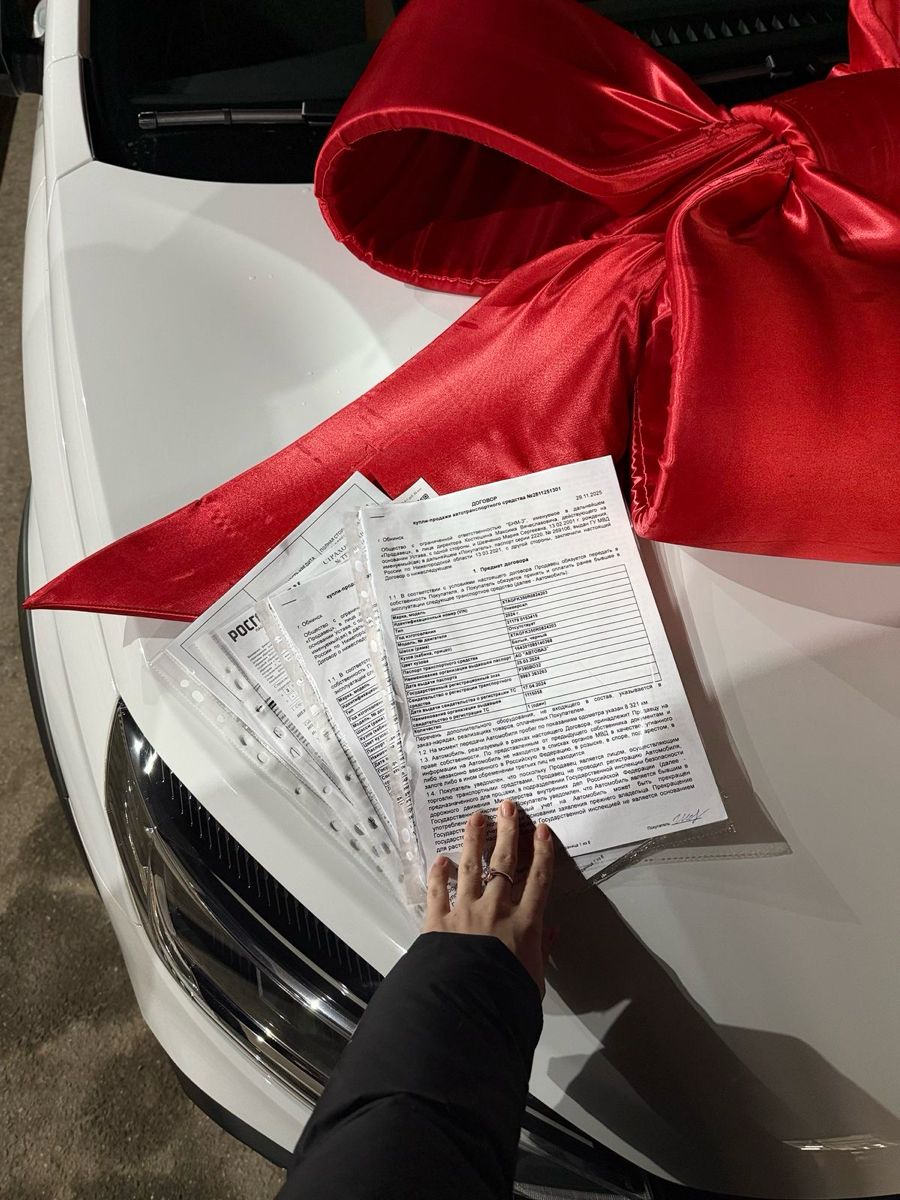

Selling your car to a dealership is straightforward once you walk in prepared. Most sellers leave money on the table not because dealers are dishonest, but because they arrived without reference points and accepted the first number they were given. Here is how to do it right.
Step 1: Know Your Value Before You Walk In
Before your appraisal, spend 15-20 minutes collecting reference points:
- Check KBB Instant Cash Offer and NADA trade-in value for your year, make, model, trim, mileage, and condition
- Get a Carvana offer online in 2 minutes (they just need your license plate or VIN)
- Optionally, take the car to CarMax for an in-person appraisal with a 7-day price hold
- Get a Vantage offer at our sell-your-car page
These numbers become your anchors. When a dealer offers less, you have a specific counter. For context on what affects your vehicle's value, our guide on where to sell your car for the most money covers the full landscape.
Want real numbers on your next car?
Tell us what you're looking for and we'll source your options across 350+ dealer partners. There's no obligation.
Step 2: Gather Your Documents
- Vehicle title (or loan account information if financed)
- Current vehicle registration
- Valid government-issued photo ID
- Loan payoff amount and lender contact if there is an outstanding balance
- Service records if you have them; these can support a stronger appraisal
- Spare key if available
Step 3: Get Multiple Offers
Contact 2-3 dealers before committing to any of them. A dealer who knows you are comparing offers has more incentive to lead with their best number.
Step 4: The Appraisal
The appraiser inspects the exterior and interior, looks under the hood, takes a short test drive, and runs the VIN through Carfax. This typically takes 15-30 minutes. Be honest about condition: discrepancies discovered during the inspection will reduce the offer rather than raise it.
Step 5: Review and Negotiate the Offer
When the dealer presents a number, do not respond immediately. Write it down, ask how they arrived at it, then present your reference: tell them your best competing offer and ask if they can match or beat it. Dealers have room to negotiate, especially when you have documentation of a competing offer in hand.
Step 6: Complete the Sale
Once you agree on a price, you sign the title over, present your ID, and they issue payment. Most dealers pay by check at time of sale. The full process from offer acceptance to leaving the lot is typically 30-60 minutes. If there is a lien on the vehicle, the dealer coordinates payoff with your lender and issues you a check for the equity difference, which may take 3-7 business days to fully settle.
Combining With a New Car Purchase
This is where confusion is most common. The rule: get the trade-in number committed in writing before any new car price discussion begins. Once both are blended into a monthly payment discussion, it becomes nearly impossible to evaluate whether either number is competitive. Review our overview of whether selling to a dealer is right for your situation to decide which path makes the most sense before you go.
One More Option to Consider
If you want another number to compare before you decide, you can also request one through Vantage. Rather than one appraiser at one dealer giving you one number, Vantage shops your vehicle to multiple buyers simultaneously and presents you with the strongest offer it receives. One recent Vantage client received $1,550 more than the dealer offer on the same car. Vantage coordinates loan payoffs, complimentary NY metro pickup, and paperwork the same way a dealer does, without the floor negotiation. You can get a Vantage offer here as part of your preparation and use it as a floor when you walk into any dealership.
When you are ready to move into your next vehicle, get your free quote in under 5 minutes. No spam. No pressure. Unsubscribe anytime.