How Carvana Works When You Sell a Car
The process is simple on paper. You go to Carvana's website, enter your VIN, answer questions about mileage and condition, and get an offer in a few minutes. If you accept, Carvana schedules a pickup at your location, does a quick inspection, finalizes the paperwork, and sends payment. The whole thing can theoretically be done in a day or two without leaving home.
That is a real advantage over the traditional process of driving to three dealers and spending an afternoon. For sellers whose primary goal is speed and simplicity, Carvana delivers on that promise most of the time. The question is whether "simple" also means "best price" and "smooth from start to finish." The answer is more complicated.
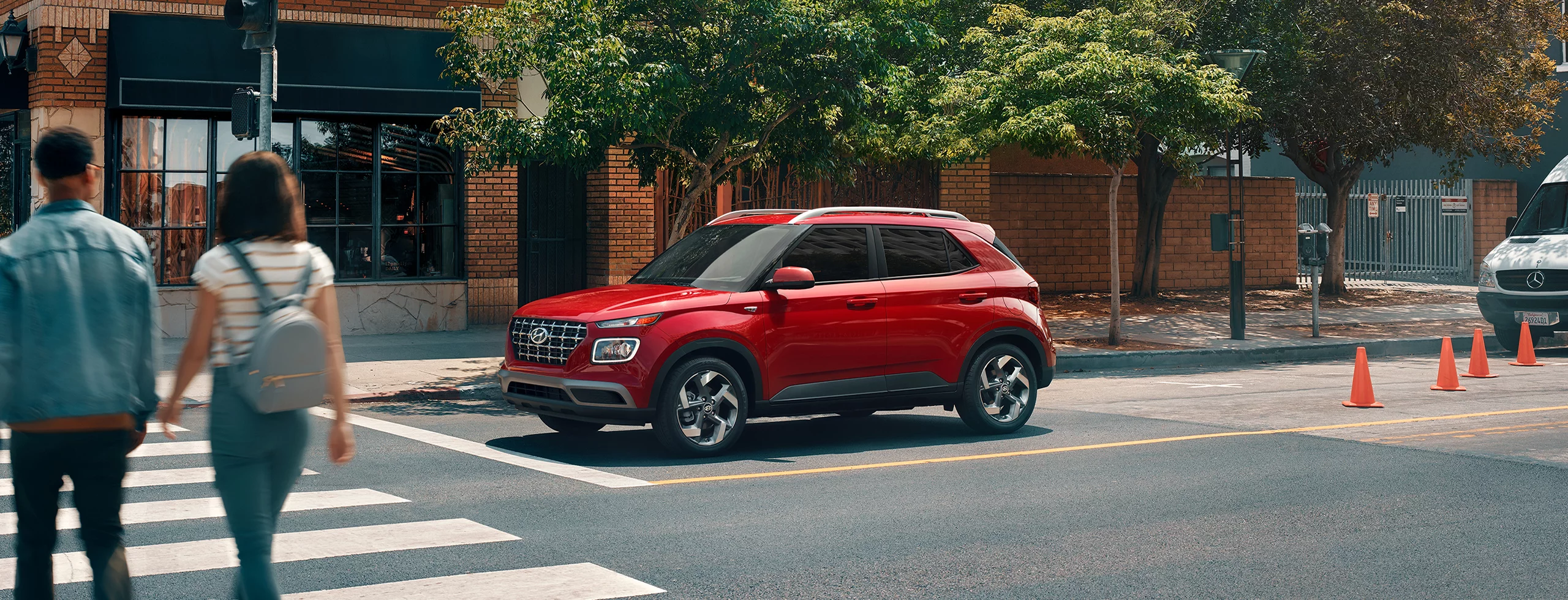
Selling or trading your car?
Tell us the vehicle, and any offer you already have, and we’ll tell you what else it may be worth. There’s no obligation.
What Sellers Genuinely Like About Carvana
Before getting into the complaints, it is worth being fair. Carvana has completed millions of transactions. Many sellers have had fast, straightforward experiences. The reasons sellers choose Carvana are legitimate:
- Instant offer with no appointment: You get a number in minutes, not days.
- Pickup from your driveway in many areas: No need to arrange a ride after you hand over the keys.
- No haggling: The offer is the offer. Some sellers prefer this to dealer negotiation games.
- Payoff handling: If you owe money on the car, Carvana coordinates directly with your lender to pay it off.
- Nationwide coverage: Carvana operates in most major markets, which is useful if you live far from dealerships.
These advantages are real. The issue is not that Carvana is a bad option. The issue is whether it is the best option for your specific car and situation, and whether you know what to watch for before you commit.
The Five Most Common Seller Complaints
1. The Offer Drops After Inspection
This is the most frequently reported surprise. Carvana's online offer is based on the information you provide about your car's condition. When the inspector arrives for pickup, they do their own assessment. If they identify issues you did not disclose, or if they weigh condition factors differently, the offer can drop before you finalize the sale.
You can walk away at that point. But if you have already made logistical plans around the sale or arranged your next car purchase, being told the offer is now lower at pickup is genuinely disruptive. The protection: photograph every panel, every scratch, and every interior surface before the inspection. Document condition accurately in your initial submission. And ask Carvana directly, in writing, what conditions would cause the offer to be adjusted before you schedule the pickup.
2. The Initial Number Is Often Below What Multiple Buyers Would Pay
Carvana is one buyer. A single buyer makes an offer that works for them. It is not designed to be the highest possible offer the market would produce; it is designed to be an offer Carvana finds profitable. When sellers take Carvana's number to other buyers (CarMax, regional dealers, broker services), they often find the Carvana offer is at the lower end of the range. The spread is not always dramatic, but it is frequently several hundred dollars and sometimes several thousand. One offer is a floor, not a ceiling.
3. Paperwork, Title, and Payoff Timing Delays
Title and registration handling has been Carvana's most documented operational problem. According to the Connecticut Attorney General's office, a settlement was reached with Carvana related to consumer complaints about delays in title transfers and registration processing, covering hundreds of transactions. Similar complaint patterns have been documented in other states through consumer protection filings and Better Business Bureau reports. If your car has a lien, if the title is in another state, or if there is anything non-standard about ownership, build in extra time and get explicit written confirmation from Carvana about the expected payoff timeline before finalizing.
4. Payment Takes Longer Than Sellers Expect
Carvana issues payment after the pickup and inspection. This typically comes as a check or electronic transfer, and the timing can vary from the same day to more than a week, particularly when a lender payoff is involved. Sellers who expected next-day payment have reported waiting significantly longer, especially when the payoff process requires coordination with the lender. Before you sell, confirm the exact payment timeline in writing and ask what happens if the lender payoff takes longer than Carvana's initial estimate.
5. Getting Answers When Something Goes Wrong
Carvana's customer support is large-scale and primarily digital. When transactions go smoothly, this works fine. When something delays or goes wrong, sellers report difficulty getting a specific person assigned to their case who can actually resolve the issue. This is a common pattern with high-volume online companies, but it matters more in a car sale than in most consumer transactions because the amounts involved are significant and the timeline is real. If you sell through Carvana, document every step in writing and keep records of every communication.
Seller Checklist: How to Protect Yourself
If you decide Carvana is the right fit, here is what to do before handing over the keys:
- Get at least one competing offer from another buyer first. This tells you whether Carvana's number is strong or weak before you commit.
- Photograph every part of the car before inspection: every panel, every interior surface, any existing damage. Date-stamp the photos.
- Ask in writing what inspection findings would reduce the offer. Get a specific answer, not a general policy statement.
- Confirm your payoff amount directly with your lender the day before pickup. Discrepancies between what Carvana expects and what your lender requires cause delays.
- Ask for the expected payment timeline in writing and what happens if the lender payoff takes longer than Carvana's estimate.
- Do not cancel your insurance or return your plates until you have confirmed the title transfer is complete and your name is off the vehicle's record.
If You Want the Highest Price: One Offer vs. Multiple Offers
The fundamental question when selling a car is not "is this offer good or bad?" It is "what would multiple serious buyers pay for my car?" Carvana, CarMax, and most dealers all make a single offer. They do not see one another's numbers unless you do that work yourself, which most sellers skip because it feels like too much effort.
Vantage can help sellers in New Jersey and the tri-state area do exactly that. Tell us the vehicle, and any offer you already have, and we’ll tell you what else it may be worth. You can compare my offer here before you accept anything.
If you are also shopping for your next vehicle after selling, you can browse available inventory at the same time. And if you are considering a lease, understanding what credit score you need and how to get the best rate is worth reading before you start that process.
Full Disclosure: How Vantage Works for Sellers
Vantage is a licensed auto broker in New Jersey. Tell us the vehicle, and any offer you already have, and we’ll tell you what else it may be worth. If a broker fee applies to your transaction, it is disclosed up front, before you commit to anything. All paperwork and final terms are handled directly by the licensed dealership.
This works best for sellers with relatively clean situations: clear title, no major undisclosed damage, and a car in reasonable condition. If your car has significant issues, any offer will reflect that reality.
If you want to see what your car could be worth, start your trade in 5 minutes. No spam. No pressure. Unsubscribe anytime.




.jpg)