Why Paperwork Is Where Car Sales Fall Apart
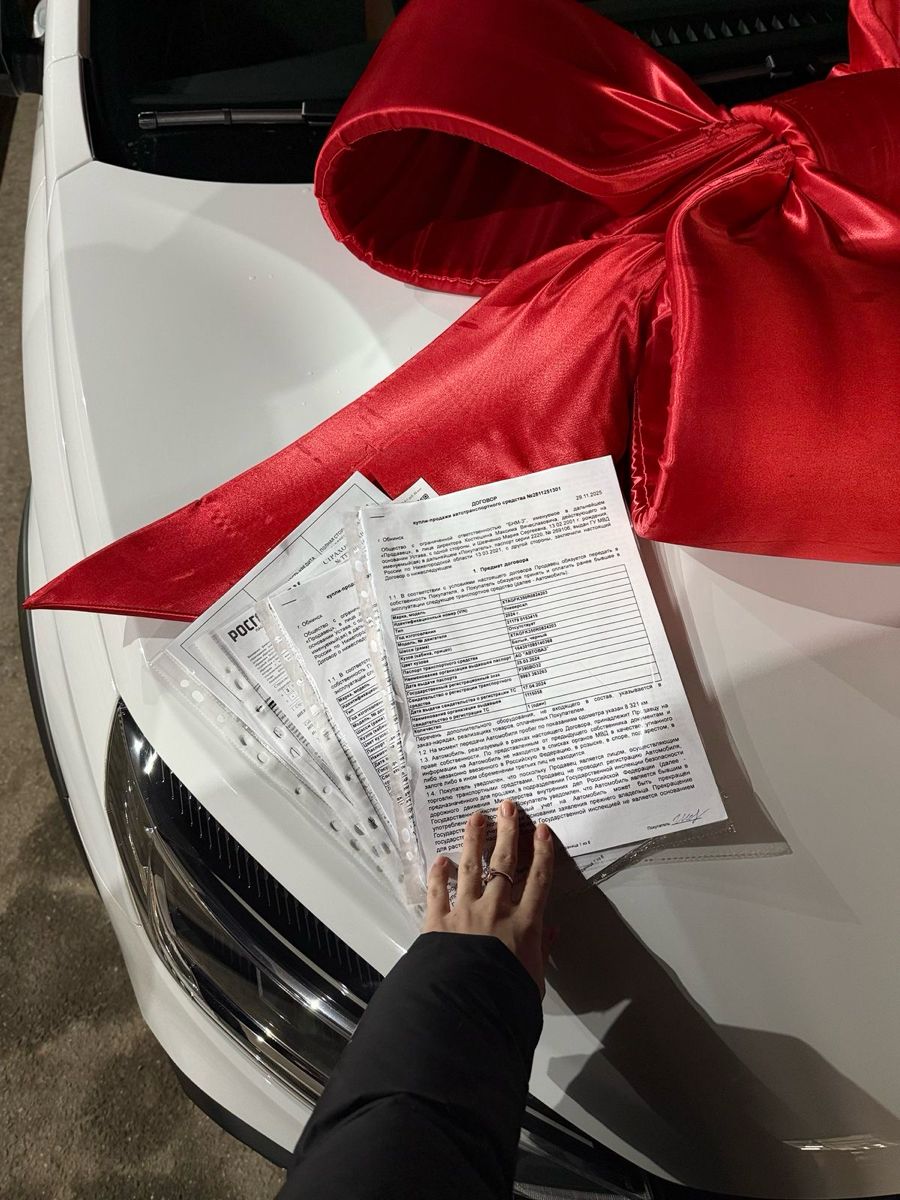
A buyer is ready, the price is agreed, and then the sale stalls because something is missing or incorrect in the paperwork. This happens more often than most sellers expect. Getting your documents in order before you list your car or contact any buyer is the single most effective way to close quickly and protect yourself after the sale.
Here is everything you need, organized by situation. For a complete walkthrough of the selling process from start to finish, see our guide on how to sell your car step by step. If you would rather get an offer than sell privately, start on our Sell My Car in NJ page.
Selling or trading your car?
Tell us the vehicle, and any offer you already have, and we’ll tell you what else it may be worth. There’s no obligation.
Documents Required for Every Sale
- Certificate of Title: The title is the legal document proving you own the vehicle. In New Jersey, the title must be in your name and free of liens (or the lien must be handled as part of the transaction). If you have lost your title, apply for a duplicate through the NJ MVC before trying to sell. The MVC asks for the Universal Title Application (Form OS/SS-UTA) and recommends an appointment at a Vehicle Center; a request by mail can take 8 to 12 weeks.
- Valid government-issued ID: Driver's license or passport. Most buyers require this to verify your identity matches the name on the title.
- Odometer disclosure: Federal law requires a written odometer disclosure at the time of sale for model year 2011 and newer vehicles until they are 20 years old; model year 2010 and older vehicles are exempt. In many transactions this is included in the bill of sale or the buyer's purchase agreement.
- Bill of sale: The NJ MVC says the seller must give the buyer a bill of sale along with the signed title. It must show the buyer's name and address, the date of sale, the odometer reading, and the sale price. Adding the VIN and your own name and contact details is good practice. Keep a copy for your records.
Additional Documents if You Have a Lien
If you still owe money on the car, the lender holds a lien on the title. You cannot transfer a clean title to a buyer until that lien is paid off.
- Loan payoff statement: Contact your lender for the exact payoff amount and the good-through date. Payoff amounts change daily as interest accrues, so get the figure close to the sale date.
- Lender's payoff instructions: Ask your lender how they accept payoff funds (wire transfer, certified check, etc.) and how long it takes them to release the title after receiving payment. This timeline can range from a few days to a few weeks depending on the lender.
- Lender contact information: Have this ready for the buyer or broker so they can coordinate the payoff process directly if needed.
NJ-Specific Requirements
- No separate seller's report: New Jersey has no seller report-of-sale form. Keep copies of the signed title and bill of sale with the buyer's name and address; the buyer must transfer the title at an NJ MVC agency within 10 working days.
- License plates stay with the seller: In New Jersey, license plates belong to the registered owner, not the car. Remove your plates before handing over the vehicle. Either return them to the MVC or transfer them to your next vehicle.
- No inspection certificate required from the seller: New Jersey does not require you to provide a current inspection before selling. Responsibility for inspection passes to the buyer after the sale.
How to Transfer a Car Title in NJ Step by Step
Once you have all the paperwork ready, the actual title transfer is straightforward. Here is the order most NJ private sales follow.
Step 1. Sign the title in the correct place. You sign in the seller's section on the back of the New Jersey title, and the buyer signs in the buyer's section and adds their driver's license number or EIN (NJ MVC). Print clearly and use the same legal name that appears on the front of the title. Give the buyer the date of sale on the bill of sale; the MVC lists it as required information.
Step 2. Record the odometer reading. This goes on the back of the title in the odometer section. The buyer counter-signs to acknowledge it. The number must match the actual mileage at delivery, and it also goes on the bill of sale. If the odometer reading is not accurate, the NJ MVC says the seller must give an estimate of what the actual reading should be.
Step 3. Provide a bill of sale. The NJ MVC requires the seller to give the buyer a bill of sale with the signed title, showing the buyer's name and address, the date of sale, the odometer reading, and the sale price. Most sellers also add vehicle details (VIN, make, model, year) and the as-is or warranty terms. Both parties sign and keep a copy. This becomes the buyer's proof for sales tax and registration.
Step 4. Remove your license plates. NJ plates stay with the seller, not the vehicle. Pull them off before the buyer drives away.
Step 5. Surrender your plates and notify your insurer. If you are not transferring the plates to another vehicle, the NJ MVC requires you to surrender them: use the plate drop box at any MVC agency or mail them in. The MVC mails a receipt as proof of surrender; keep it in case any charges are later linked to those plates. Notify your insurer the same day. Form BA-49 is the Vehicle Registration Application the buyer completes, not a seller form.
Step 6. The buyer files for new title and registration within 10 working days. They go to a NJ MVC location with the signed title, bill of sale, proof of insurance, and the title fee. Your signature on the back of the title is what authorizes the transfer.
If you sell to a dealer (including Vantage Motor Car for trade-ins or used-car sales), the dealer handles most of this on your behalf. The simplification of paperwork is one of the underrated reasons dealer-assisted and broker-assisted sales close fast.
What to Do if Something Is Missing
- Lost title: Apply for a duplicate immediately through the NJ MVC (Universal Title Application, Form OS/SS-UTA). Do not try to complete the sale without it.
- Title in a deceased person's name: This requires going through the estate process. Contact the NJ MVC and consult an attorney before proceeding.
- Title in another state: You will need to work with that state's motor vehicle authority to get a clear title you can transfer in New Jersey. Start early, as this adds time.
- Unsure about lien status: Pull the title or contact the NJ MVC to verify whether any liens are recorded. Buyers, especially dealers and online buyers, will check this as part of their due diligence.
Full Disclosure: How Vantage Helps with the Process
Vantage is a licensed auto broker in New Jersey. When you sell through Vantage, we help navigate the paperwork process, including coordinating lien payoffs and title transfers, so you do not have to manage it alone. Depending on the transaction, Vantage may earn a broker fee, disclosed upfront. If you are also shopping for your next vehicle, you can browse our inventory at the same time.
If you are ready to start, start your trade in 5 minutes. No spam. No pressure. Unsubscribe anytime.