
Buying a Car Through Your LLC: Why and How
If you own an LLC and need a vehicle for business, purchasing it through your LLC can provide two significant benefits: tax deductions and liability protection. The vehicle becomes a business asset, its cost is deductible through depreciation, and any liability associated with the vehicle stays within the LLC rather than exposing your personal assets.
Here is the step-by-step process for buying a car through your LLC, along with the pitfalls to avoid.
Step 1: Confirm Your LLC Is in Good Standing
Before attempting to purchase a vehicle in your LLC's name, make sure your business is current on all state filings and in active/good standing. Lenders and dealerships will verify this. In New Jersey, you can check your LLC's status through the NJ Division of Revenue.
You will also need:
- Your LLC's EIN (Employer Identification Number)
- A copy of your articles of organization
- An operating agreement (especially for multi-member LLCs)
- A business bank account with sufficient funds or deposit capability
Step 2: Decide Between Buying and Leasing
Both options are available to LLCs. The choice depends on your tax strategy, cash flow, and how long you plan to keep the vehicle:
Buying gives you access to Section 179 and bonus depreciation for a large first-year deduction. It makes sense if you have a high-income year and want to reduce taxable income immediately, or if you plan to keep the vehicle long-term.
Leasing provides steady, predictable monthly deductions and lower upfront costs. It makes sense if you prefer to upgrade vehicles every 2-3 years or want to preserve cash. Read our full lease vs. buy comparison for business owners.
Step 3: Secure Financing (If Needed)
If your LLC is paying cash, this step is simple. If financing, expect the process to be different from a personal auto loan:
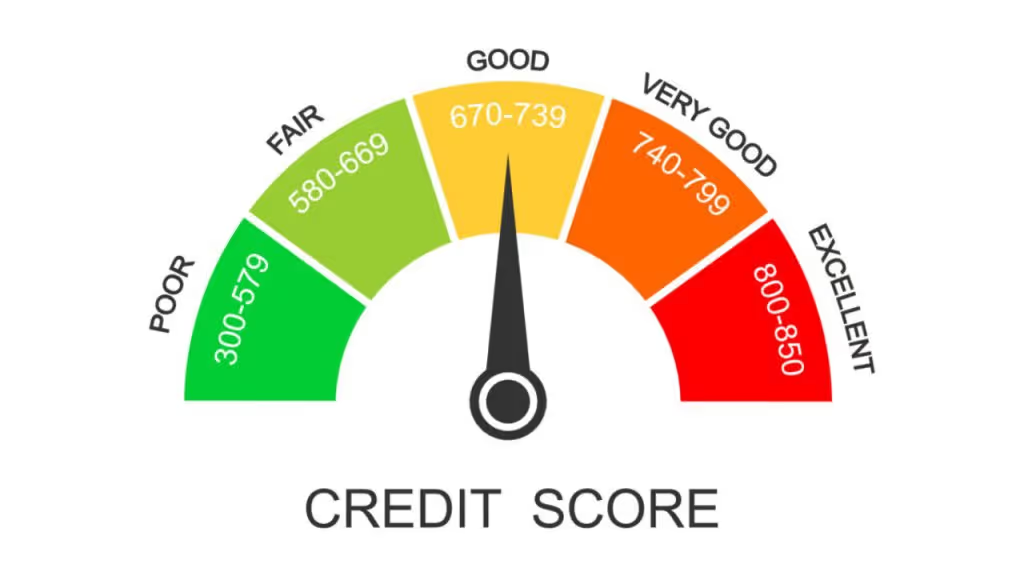
- The lender will check both your LLC's credit (Dun and Bradstreet, Experian Business) and your personal credit
- You will likely need to sign a personal guarantee
- Business bank statements (2-3 months) and possibly tax returns will be required
- Interest rates for business auto loans may be slightly higher than personal rates
- LLCs with less than 2 years of operating history may face stricter requirements
A broker can help you navigate this process and connect you with lenders experienced in business auto loans.
Step 4: Purchase the Vehicle
When purchasing through your LLC:
- The buyer on the purchase agreement should be your LLC (full legal name)
- The title will be registered in the LLC's name
- Payment should come from the LLC's bank account (not your personal account)
- Keep all purchase documentation (bill of sale, title, registration) in your business records
Maintaining this clean separation between personal and business finances is important for both legal protection and tax compliance.
Step 5: Get Commercial Auto Insurance
A vehicle titled in your LLC's name requires a commercial auto insurance policy. Do not try to insure it under a personal policy; this can void your coverage entirely if you have a claim.
Commercial insurance typically costs 10-30% more than personal coverage, but it provides broader protection for business use. Shop multiple insurers and mention that the vehicle is used for business travel, not commercial hauling or rideshare.
Step 6: Set Up Mileage Tracking and Record-Keeping
From day one, establish a system for tracking business vs. personal use. This is not optional; it is required for the tax deduction. Use a mileage tracking app or maintain a written log of every business trip.
Also keep records of all vehicle-related expenses: fuel, maintenance, insurance, registration, tolls, and parking. These are all deductible proportional to your business-use percentage.
Tax Implications of LLC Vehicle Ownership
When your LLC owns the vehicle:
- The cost is deductible through depreciation (Section 179 and/or standard MACRS depreciation)
- Operating expenses are deductible proportional to business use
- If the LLC is a pass-through entity (most are), the deductions flow through to your personal return
- If business use drops below 50%, you may need to recapture some depreciation
What Vantage Does Differently
We help LLC owners find and purchase vehicles at below-invoice pricing. We know which lenders work well with LLCs, handle the negotiation so you do not have to, and ensure all paperwork reflects your business entity correctly.
Our broker fee is transparent. There are no hidden markups on the vehicle or the financing.
Get your free quote in under 5 minutes and mention that you are purchasing through your LLC. We will tailor the process to your business structure. No spam. No pressure. Unsubscribe anytime.



.avif)