Picking your first car is genuinely exciting until you realize how many ways it is possible to make a bad decision. The wrong first car can cost you thousands extra in insurance, repairs, or accidents. This guide cuts through the noise and tells you what to actually look for, which specific models deliver it, and what to avoid.
What to Prioritize in a First Car
The most common mistake first-time buyers make is prioritizing what a car looks like or how fast it goes. Here is what you should actually prioritize:
- Safety ratings: NHTSA and IIHS scores tell you how well the car protects you in a crash. New drivers are statistically more likely to be in accidents. This matters.
- Reliability: a car that breaks down repeatedly is not just inconvenient for a new driver who may not have a mechanic relationship or emergency fund. It is also expensive. Stick to brands with proven track records.
- Insurance cost: your vehicle choice directly affects your insurance premium. A Honda Civic can cost $1,000-$1,500 less per year to insure than a comparable performance car or sports coupe for the same driver profile.
- Driver assistance technology: modern safety systems like automatic emergency braking and blind spot monitoring actively compensate for inexperience and slower reaction times. Prioritize vehicles that include these as standard, not optional.
- Easy to drive: a vehicle that is comfortable, predictable, and not overpowered reduces the stress of learning to navigate real traffic, highways, and parking garages in NJ.
Want real numbers on your next car?
Tell us what you're looking for and we'll source your options across 350+ dealer partners. It's free, and there's no obligation.
The Best First Cars in 2026
Honda Civic (Best Overall First Car)
The Civic is the most recommended first car for good reason. It is one of the most reliable vehicles in its segment with decades of data to back it up, earns IIHS Top Safety Pick+ ratings, and has some of the most affordable insurance costs in the compact car category. Honda Sensing, which includes automatic emergency braking, lane keeping assist, and adaptive cruise control, comes standard on all Civic trims. For a new driver, this package of reliability, safety, and affordability is hard to beat.
Toyota Corolla (Most Bulletproof Reliability)
If the Honda Civic is the most recommended, the Toyota Corolla is a close second. Toyota Safety Sense is standard across all Corolla trims, and the Corolla's reliability record is exceptional: Consumer Reports consistently ranks it among the top compact sedans. The Corolla is also one of the lower-cost vehicles to maintain over time, with widely available parts and service across NJ. If the Civic is sold out or priced above budget, a Corolla is an equally sound choice.
Mazda3 (Safest in the Segment)
The Mazda3 earns some of the highest safety scores available in its class and comes with i-Activsense safety technology standard. Mazda's approach to safety has been to build crash avoidance into the vehicle's structure and driving dynamics, not just bolt on sensors. The result is a car that feels more planted and predictable at highway speeds than most compact competitors. The Mazda3 does cost slightly more to insure than the Civic or Corolla, but the safety performance justifies it for many first-time buyers.
Subaru Impreza (Best for NJ Winters)
The Impreza is the only vehicle on this list that comes standard with all-wheel drive on every trim at every price point. For new drivers who will be navigating NJ winters, that AWD plus Subaru's standard EyeSight driver assistance system is a meaningful safety combination. EyeSight includes pre-collision braking, adaptive cruise control, and lane departure warning. The Impreza is slightly more expensive than the Civic and Corolla, but the year-round traction advantage has real value for inexperienced drivers in variable conditions.
Hyundai Elantra (Best Value Option)
The Elantra offers strong safety scores, standard driver assistance features, and a comfortable interior at a price that typically undercuts the Civic and Corolla. Hyundai's longer warranty (5 years powertrain, 10 years on the engine and transmission) is a meaningful safety net for a first-time car owner who may not have an established relationship with a mechanic. Reliability is not quite at Honda and Toyota levels based on long-term data, but the value proposition at the entry price point is compelling.
What to Avoid for a First Car
The list of poor first car choices is at least as useful as the list of good ones. Here is what to steer away from:
- High-performance or sports cars: the Dodge Challenger, Ford Mustang, or any turbocharged hot hatch comes with higher insurance rates, a higher likelihood of speed-related accidents, and less forgiveness when you make the mistakes every new driver makes
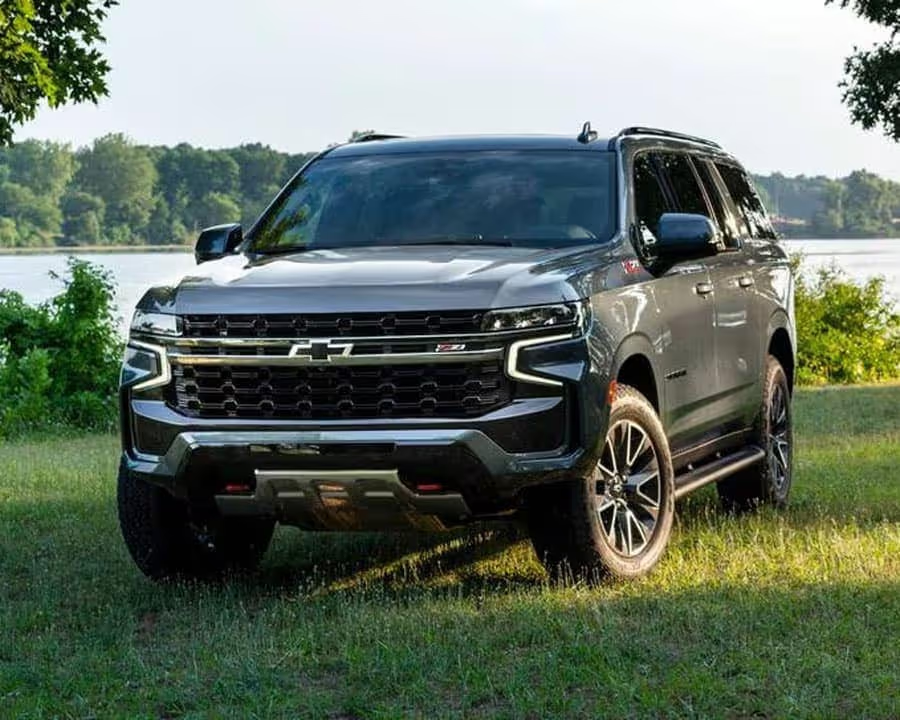
- Large SUVs and trucks: not a safety issue, but difficult to maneuver and park for a new driver still developing spatial awareness. Not the right starting point.
- Older vehicles without modern safety tech: a 2014 Civic does not have automatic emergency braking. The gap in safety technology between a 2019 vehicle and a 2024 vehicle is significant for the specific risks new drivers face.
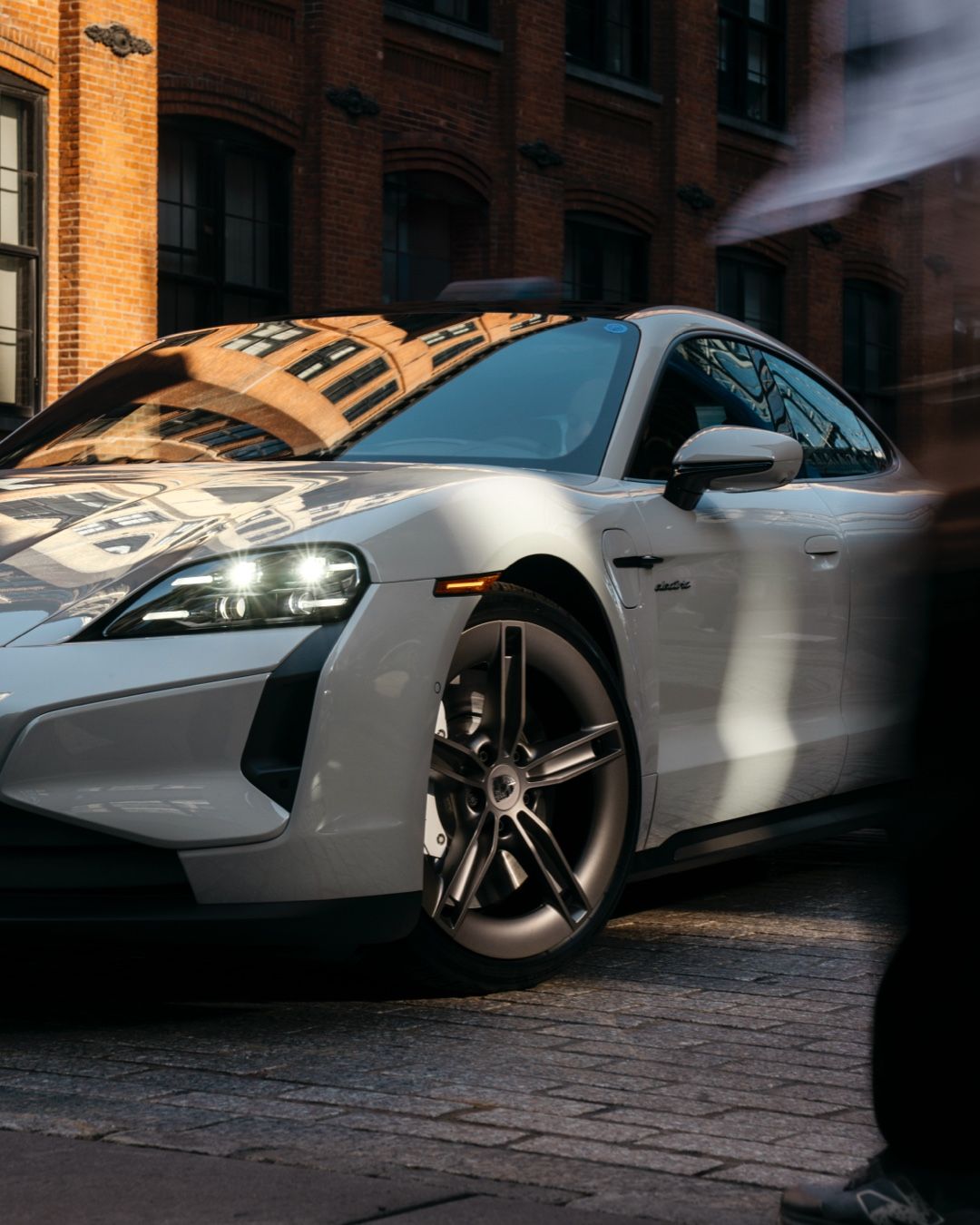
- Heavily branded luxury vehicles: the insurance premium on a new BMW or Audi for a driver under 25 is brutal. The badge is not worth what it costs a new driver in insurance.
Used vs New: What Makes More Sense for a First Car
For most first-time buyers, a certified pre-owned vehicle from Honda or Toyota in the 2020-2023 range offers the best combination of modern safety tech, reliability, and manageable cost. New vehicles from these brands carry a significant premium for the first-year new car advantage, while 2-4 year old examples are largely depreciation-adjusted and still well within warranty range on key components.
If leasing is on the table, it works best for new drivers who have a clear, predictable commute and know their annual mileage will stay within the lease limit. A new driver with uncertain mileage patterns is better off buying, not leasing.
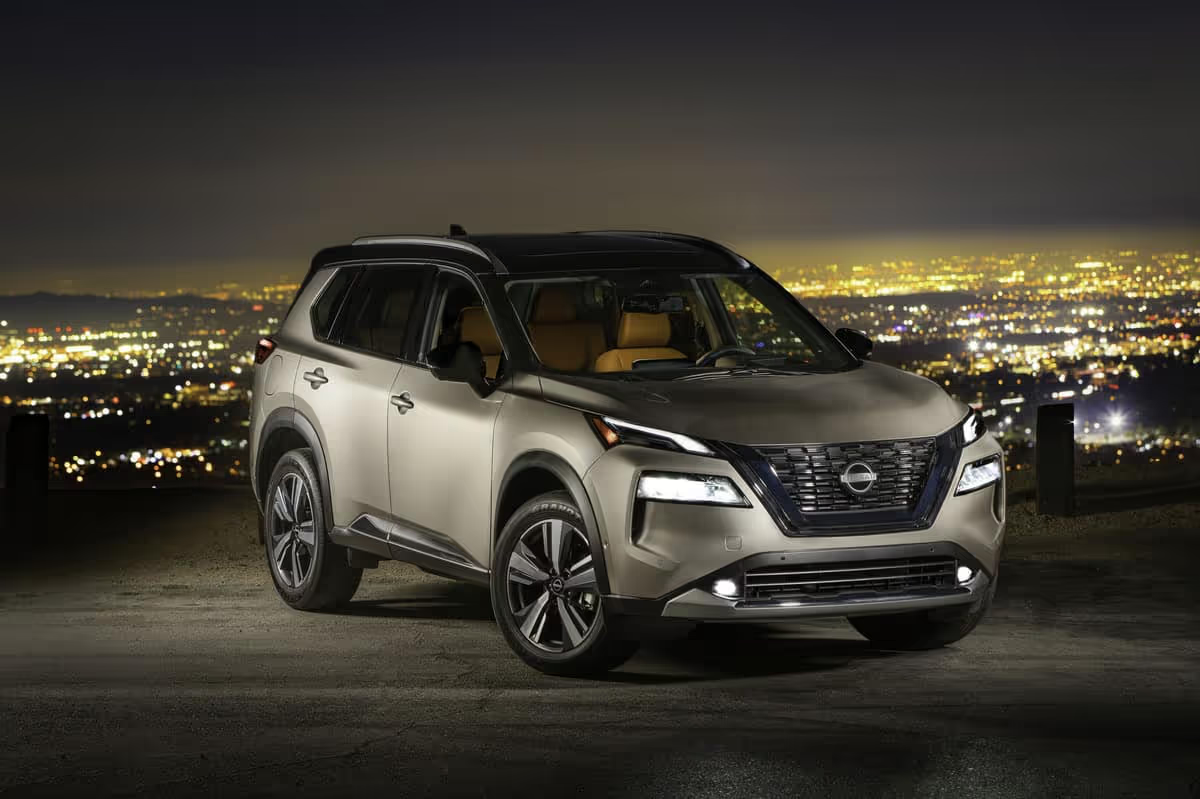
Not sure whether a sedan or a slightly larger compact SUV makes more sense for your situation? Our breakdown of sedan vs SUV walks through the key differences and cost comparison.
Getting Your First Car Through Vantage
Whether you are buying your own first car or a parent helping a new driver, Vantage can source pricing on new and certified pre-owned vehicles across NJ and the tri-state area. We present real quotes, explain exactly what you are paying for, and do not pressure you toward a higher-margin vehicle.
You can browse available inventory to see what is in stock, or get your free quote in under 5 minutes. No spam. No pressure. Unsubscribe anytime.



.jpg)