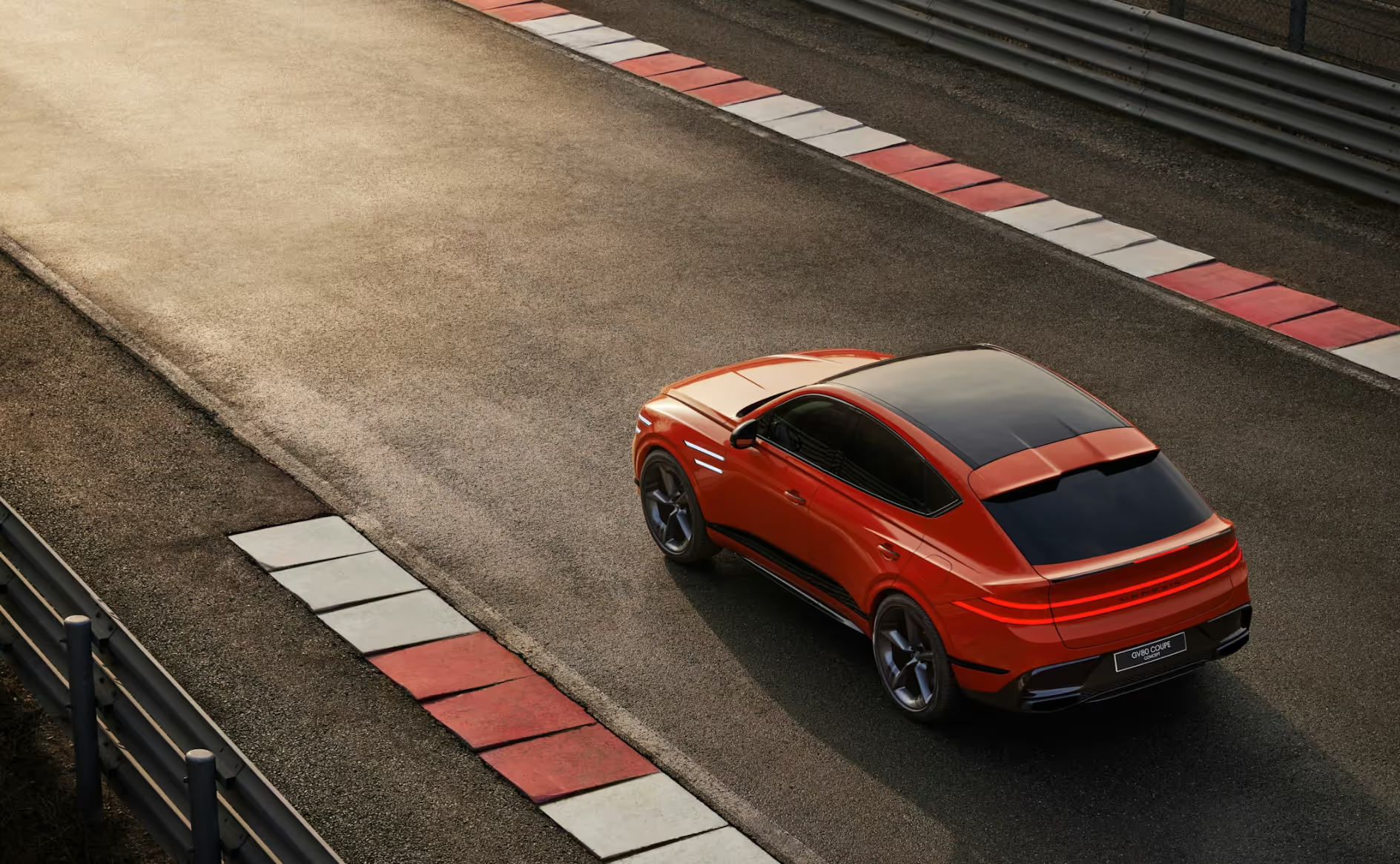

Sedan or SUV. It is the most common vehicle decision people face in 2026, and most of the advice out there is either too generic or too attached to whatever the dealer wants to sell you. Here is the honest breakdown: the right choice depends entirely on how you actually use your vehicle, not on which body style is more popular right now.
The Core Differences That Actually Matter
Let us cut to what is genuinely different between these two body styles in 2026:
- Monthly cost: a midsize sedan runs roughly $150-$200 less per month than a comparable midsize SUV when leasing
- Fuel economy: sedans average 5-10 MPG better than comparable SUVs, which translates to real money at the pump
- Cargo space: SUVs win by a significant margin, especially with rear seats folded
- Seating height: SUVs sit higher, which many drivers find easier to enter and exit, especially with car seats or limited mobility
- All-wheel drive: available on both body styles, but more common and standard on SUVs
- Handling: sedans sit lower and generally handle more predictably in emergency maneuvers
None of these are reasons to choose one over the other on their own. The question is which trade-offs align with how you actually live.
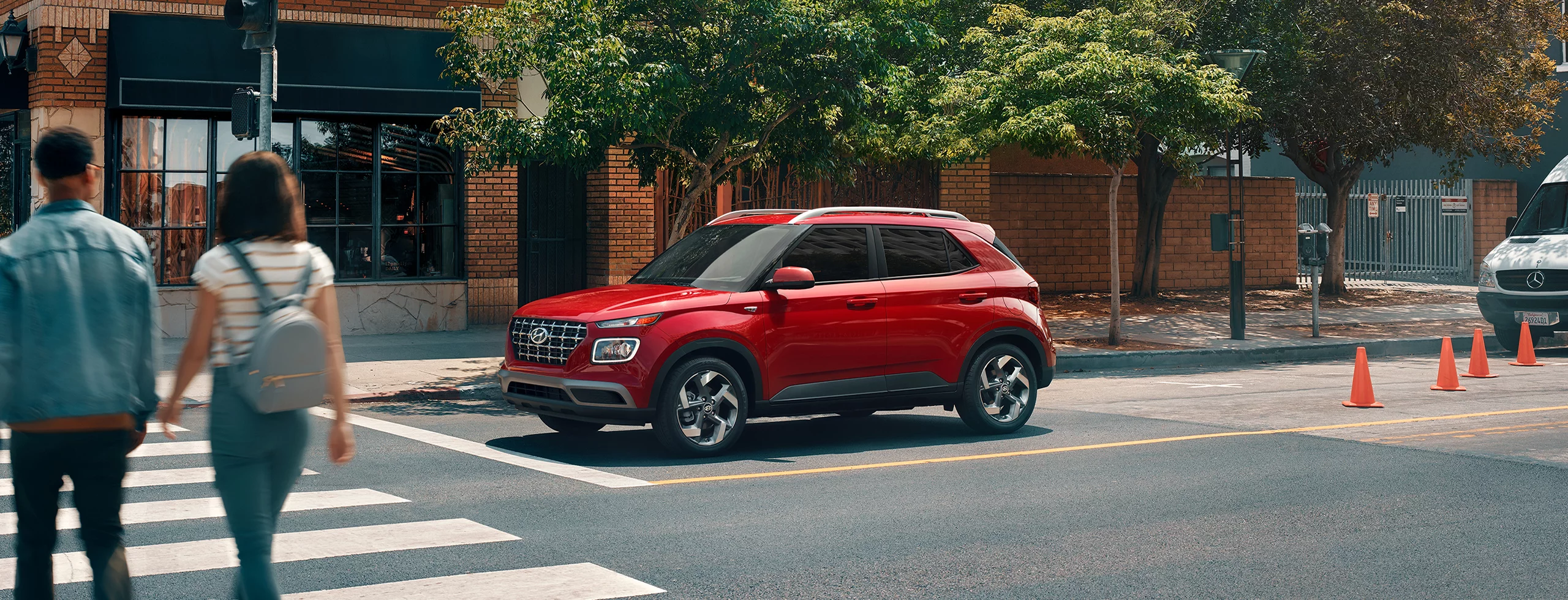
Want real numbers on your next car?
Tell us what you're looking for and we'll source your options across 350+ dealer partners. There's no obligation.
When a Sedan Makes More Sense
A sedan is the better choice for most situations where practicality and cost efficiency are the priorities.
You Are Single or a Couple Without Kids
If you do not regularly carry more than two or three passengers, and you are not hauling large gear, a sedan handles everything you need at meaningfully lower cost. The Honda Accord, Toyota Camry, and Hyundai Sonata are all roomy, comfortable, and efficient. A couple who buys or leases a Camry instead of a Highlander and invests the $150-$200 monthly difference comes out significantly ahead over a 5-year window.
You Prioritize Fuel Costs
Sedans get better fuel economy at every price point. If you commute long distances or drive significant annual mileage, the cumulative fuel savings of a sedan versus an SUV can reach $800-$1,500 per year depending on gas prices and mileage. For high-mileage drivers, this tips the total cost calculation further toward the sedan.
You Park in Tight Spaces
In urban and dense suburban environments, a sedan's smaller footprint and shorter length makes parking meaningfully easier. In NYC, Hoboken, or downtown Jersey City, this is not a trivial consideration.
When an SUV Makes More Sense
You Have Kids, or Plan To
Installing and accessing rear-facing car seats is genuinely harder in a sedan. The higher entry point of an SUV makes the daily routine of loading and unloading kids easier, and the cargo space difference becomes obvious the first time you pack for a family vacation. If you are shopping for a family-focused vehicle, our full breakdown of the best SUVs for families in 2026 covers the top picks in detail.
You Regularly Haul Large Items
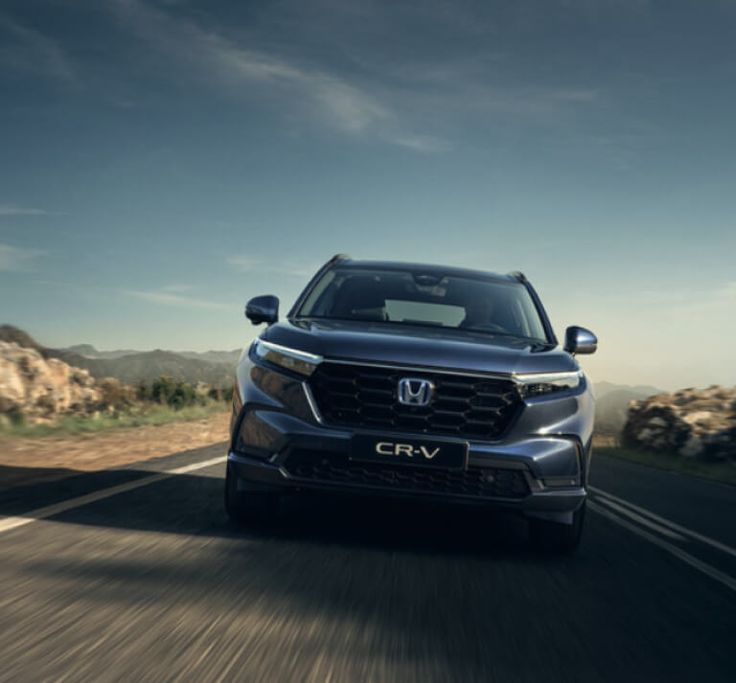
Home improvement runs, ski gear, sports equipment, furniture. If your lifestyle involves frequently moving large items, SUV cargo capacity is a genuine quality-of-life upgrade. Even a compact SUV like the Honda CR-V offers significantly more practical cargo space than a midsize sedan.
You Want All-Wheel Drive for NJ Winters
While some sedans offer AWD, it is far more standard on SUVs and comes with better ground clearance. If you regularly drive in snow, on unpaved roads, or in conditions where traction matters, an AWD SUV is a legitimate functional choice, not just a preference.
The Safety Question
A common assumption is that SUVs are safer. The reality is more nuanced. SUVs do offer better protection for occupants in crashes with smaller vehicles due to size and height, but they also have a higher rollover risk because of their center of gravity. Modern electronic stability control has reduced this risk significantly, and both sedans and SUVs now regularly earn 5-star NHTSA and IIHS Top Safety Pick ratings.
The more meaningful safety comparison is not body style: it is checking the specific model's safety scores before you buy. Two vehicles in the same body style can score dramatically differently on crash tests. Check the NHTSA ratings for both options you are seriously considering.
Running the Real Cost Comparison
Here is a practical side-by-side for two comparable vehicles in 2026:
- Toyota Camry (midsize sedan, hybrid-only since 2025): roughly $350-$420 per month to lease, approximately 47 MPG combined
- Toyota Highlander (midsize SUV): roughly $500-$580 per month to lease, approximately 24 MPG combined
At 15,000 miles per year and $3.50 per gallon, the Camry driver saves roughly $1,000 per year in fuel alone. Add the lease payment difference of $1,800-$1,920 per year, and the Camry comes out about $2,800-$2,900 per year cheaper to operate. That is a meaningful number for most households.
If that gap is justified by your actual use case, the SUV is worth it. If it is not, you are paying for capability you will rarely use.
What Vantage Can Help You Figure Out
The best vehicle for your situation is not a general answer. It is specific to your mileage, your family size, your parking situation, and your budget. At Vantage, we talk through these variables before recommending anything, and then we source real pricing from multiple NJ and tri-state dealers on whatever you decide.
You can browse sedans and SUVs side by side to compare available inventory, or get your free quote in under 5 minutes once you know what direction you are headed. No spam. No pressure. Unsubscribe anytime.