
This Is Not a Simple Answer, But There Is a Clear Default
The buy versus lease debate is always situational. But for EVs in 2026, the factors tilt more decisively toward leasing than they do for conventional vehicles. That does not mean buying is always wrong. It means the default assumption should be lease unless you have specific reasons to buy.
Here is how to work through it.
Want real numbers on your next car?
Tell us what you're looking for and we'll source your options across 350+ dealer partners. There's no obligation.
The Case for Leasing an EV
You Avoid Depreciation Risk
EV values have been volatile. After surging during the inventory shortage of 2021 and 2022, used EV prices fell sharply as new supply arrived and federal incentives changed. Some models lost 40 to 50 percent of their value in three years. When you lease, that depreciation risk sits with the leasing company, not you. You hand the car back at the end of the term regardless of what the market did.
The Federal Tax Credit No Longer Tips the Scale
The federal EV tax credit, including the version leasing companies used, ended for vehicles acquired after September 30, 2025, so it no longer favors buying or leasing. Manufacturer lease programs on EVs are often aggressive, and leasing still shields you from the fast early depreciation that hits EVs hardest, which is where the monthly math tends to favor a lease. For the full breakdown, see our guide on how EV leasing works in NJ now.
Technology Is Moving Fast
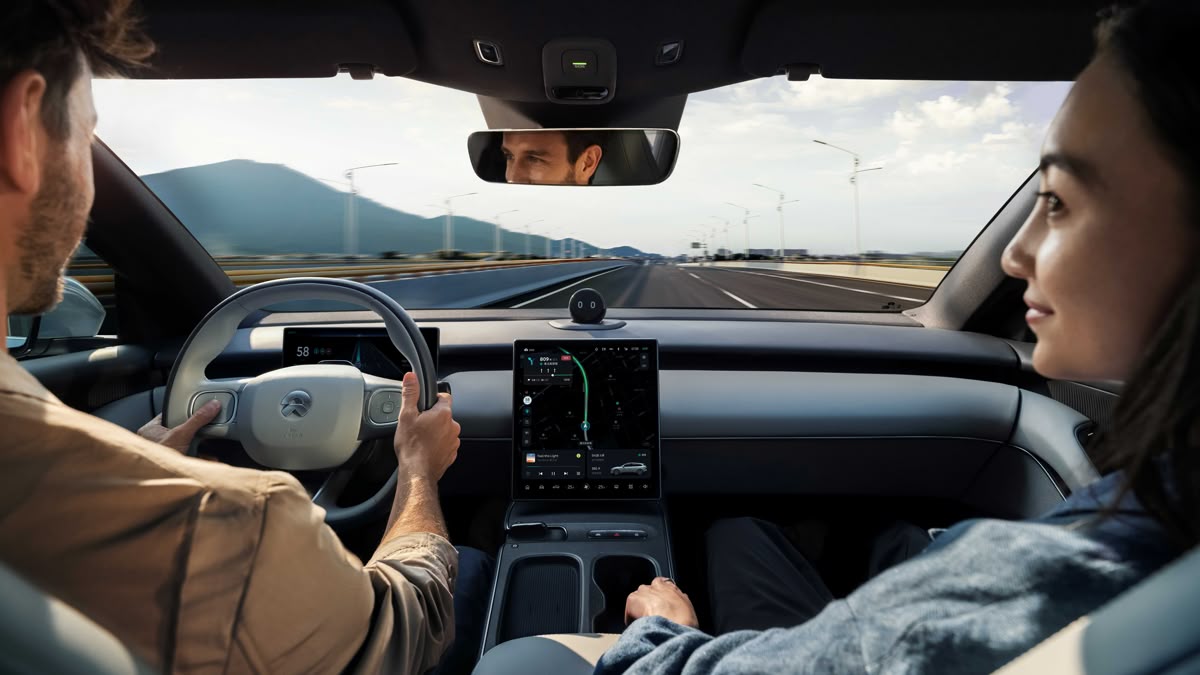
A top-of-class EV in 2026 will likely feel dated by 2029. Range improves, software improves, charging infrastructure improves. Leasing every three years means you are always in a current-generation vehicle without worrying about resale value or whether someone will buy your three-year-old EV.
Battery Degradation Stays the Leasing Company's Problem
Over time, lithium-ion batteries lose some capacity. Leasing means you return the car before meaningful degradation accumulates. If you buy, any capacity loss is yours to manage or absorb in the resale price.
The Case for Buying an EV
Buying makes sense in specific situations:
- You drive very high annual mileage (above 15,000 to 18,000 miles per year), making lease overage costs significant
- You plan to own the car for 8 or more years and want to capture the long-term fuel savings without monthly payments
- The specific vehicle you want has strong resale value
- You want to modify the vehicle or not worry about wear and use restrictions
Running the Numbers
Do not decide based on general principles alone. Get a real lease quote and compare it to a financed purchase on the same vehicle. Factor in: the monthly payment difference, the value of any incentives captured or lost in each scenario, the estimated fuel savings, and the residual or resale value at the end of the period. A broker can run this comparison for you on a specific vehicle and month.
If you want to see current EV options and get a quote, browse available inventory here.
Full Disclosure
Vantage earns a broker fee disclosed before you commit. We help clients evaluate both scenarios honestly, not push one option because it benefits us. Some of our clients buy. Most lease EVs. We show you the math and let you decide.
Get your free quote in 5 minutes. No spam. No pressure. Unsubscribe anytime.